Blog / Ford Transit

Blog

All Ford Transit Ford Explorer Ford Bronco Ford Escape Ford F-150 Ford Super Duty F-350 Ford Mustang Mach-E Ford Mustang Ford Bronco Sport Ford Dealer Ford Escape Plug-in Hybrid Ford F-150 Lightning Ford Super Duty Ford Maverick Ford Service
Will a 2026 Ford Transit fit parking garages around Clifton, NJ?

Will a 2026 Ford Transit fit parking garages around Clifton, NJ?

Quality Auto Mall - Will a 2026 Ford Transit fit parking garages around Clifton, NJ? If you run routes, shuttle teams, or make service calls in and around Clifton, NJ, garage clearance is more than a spec sheet detail — it can define how efficiently your day goes. The 2026 Ford Transit® gives you three roof heights and two lengths, but will it actually fit into the parking decks you use near Main Ave., Route 3, or neighboring towns like Passaic and Nutley? Our team at Quality Auto Mall put together a practical, real-world guide so you can match the right 2026 Transit to the garages and ramps you navigate every week. Know the Numbers: 2026 Ford Transit Roof Heights and Lengths Before you can compare the Transit to a specific garage, start with the van’s dimensions. The 2026 Transit Passenger Van offers three roof heights and two body lengths. Here are the key figures to keep top of mind: Low Roof Height: 82.4 inches (about 6 ft 10.4 in) Medium Roof Height: 99.2 inches (about 8 ft 3.2 in) High Roof Height: 108.6 inches (about 9 ft 0.6 in) Long Length: 235.5 inches overall (about 19.6 ft) Extended Length: 263.9 inches overall (about 22.0 ft) Those roof figures are factory heights — add-ons like roof racks, light bars, or rooftop HVAC can increase total height. Length also matters in garages with shorter spaces or tight ramps. Many passenger-vehicle stalls in North Jersey garages are sized around 18 ft; a Long Transit is longer than that, and the Extended body is roughly 22 ft, which may exceed some posted limits. Always verify posted size restrictions before you enter. What We See Locally Around Clifton In our area, many enclosed garages post clearances in the 6 ft 8 in to 7 ft 0 in range, though some facilities offer more headroom. If you rely on structured parking in Clifton, Passaic, or Hackensack, this typically means a Low Roof Transit is the only practical option among the three heights — and even then, you’ll want to confirm that the clearance is at or above 7 ft and that your specific van has no upfits or gear mounted on top. Medium Roof (8 ft 3.2 in) and High Roof (9 ft 0.6 in) models are built for stand-up interior space and productivity, but they realistically won’t clear most enclosed garages around town. Those configurations shine in curbside loading zones, surface lots, and dedicated depots — not underground or multi-level decks with low beams and pipes. How to Evaluate a Specific Garage — A Simple Field Checklist Every garage is different, and the sign at the entrance is only part of the story. Use this quick process to avoid surprises, especially at locations you visit frequently near Clifton’s commercial corridors or medical offices. Entrance Signage: Confirm posted maximum height and any length restrictions or vehicle type limits. Lowest Point Inside: Look for sprinkler pipes, ductwork, or sloped beams that hang lower than the entry sign. Ramp Angles: Steep transitions can challenge longer wheelbases; enter slowly and on an angle when safe. Space Length: Verify stall length — a 19.6 ft Long Transit may extend beyond shorter passenger-vehicle spaces. Turning Aisles: Check aisle width and turning pockets — longer vans need more room to swing into a space. Roof Add-Ons: Measure from ground to the highest point of your van, including any racks or equipment. If you’re uncertain, our team can help you test-fit a comparable Transit at one of your routine locations or review measurements with you at our Rutherford lot before you commit to a configuration. Low Roof Transit: The Practical Pick for Deck Access If structured garage access is a must for your operation — think medical shuttles, campus drop-offs, or service calls at professional buildings — the Low Roof Transit is the smart starting point. At 82.4 inches, many 7 ft entries are achievable when the van is stock and unloaded, but 6 ft 8 in entries are likely too tight. Remember that tires, load levels, and even temperature can affect real-world height margins by fractions of an inch, so build in a safety buffer. For teams that rarely or never use decks, Medium Roof and High Roof models deliver the interior stand-up space crews love. Those heights are excellent for mobile workshops, photographers, catering teams, and passenger shuttle operators who stage in surface lots around Clifton, along Route 3’s service roads, or at venues that provide open-air parking. Length choice ties back to where you park and how you load. The Long body (about 19.6 ft) can be workable in some surface lots with longer stalls and in curbside zones where you have room to stage. The Extended body’s roughly 22 ft length is great for maximizing seats or cargo, but confirm your typical stops offer sufficient curb length and turning room. On the topic of loading, the Transit’s available 253-degree rear door opening on XLT helps you work in tighter alleys or loading areas by swinging the doors close to the body. This is especially helpful behind buildings off Van Houten Ave. or along mixed-use streets where space is at a premium. Ford Co-Pilot360® technology also eases close-quarters maneuvering. Standard front and rear parking sensors provide audible cues as you inch through ramps or back into a spot, and Pre-Collision Assist® with Automatic Emergency Braking adds confidence when someone steps into your path in a busy deck or lot. Inside, SYNC® 4 with a 12-inch center display makes it easy to call up camera views and guidance prompts, while the updated 8-inch cluster puts essentials — including the standard Tire Pressure Monitoring System (TPMS) — right in your line of sight. If your routes include winter or steep side streets off Broad St., the Transit’s available Intelligent All-Wheel Drive can be a worthwhile addition. It does not change the van’s height, but it can improve traction as you navigate slick ramps or wet concrete surfaces — another subtle advantage when garages are part of your daily routine. Passenger capacity is another factor for shuttle operators who are eyeing deck access at medical centers or office complexes. The 2026 Transit can seat up to 15 passengers when properly configured. If you must use a garage with a 7 ft clearance and a Low Roof, consider how the aisle space, seatbacks, and headroom feel for the riders you carry. We can map seating layouts with you so you balance comfort with clearance needs. Not sure whether your core stops around Clifton will work with a Low, Medium, or High Roof? Bring your top three destinations to our showroom. We’ll help you translate posted garage signs into the right Transit setup, and we can walk you through accessories that preserve clearance — for example, choosing interior storage solutions instead of roof-mounted racks when vertical space is tight. Key Takeaways for Clifton, NJ Drivers Here’s how it breaks down for most local use cases: If you need garage access: Start with Low Roof (82.4 in) and confirm that your garages post 7 ft or higher — and avoid roof add-ons. If you prioritize stand-up space: Medium or High Roof is the productivity play, best paired with surface lots or curbside loading. If you park in short stalls: Verify stall length for Long (about 19.6 ft) and Extended (about 22.0 ft) bodies to prevent overhang. If you upfit your van: Re-measure overall height after any roof equipment is installed to maintain clearance margins. Our goal is to make sure your 2026 Ford Transit works everywhere your business works — from Clifton’s commercial centers to neighboring campuses and office parks. When you’re ready, stop by Quality Auto Mall in Rutherford and we’ll help you choose the roof height, length, and seating that keep your routes running smoothly. Frequently Asked Questions: Will a Low Roof 2026 Ford Transit clear a 7 ft garage near Clifton? In most cases, yes. A stock Low Roof Transit measures 82.4 inches (about 6 ft 10.4 in). That typically clears a posted 7 ft entry with a small margin. Always confirm the lowest point inside the garage and avoid roof-mounted accessories that add height. What happens if I add a roof rack or rooftop A/C? Any roof-mounted equipment increases your overall height beyond the factory spec. Measure from the ground to the highest point of the upfit and compare that number to the garage’s lowest clearance, not just the entrance sign. Is the Medium Roof or High Roof Transit realistic for enclosed garages? Generally not. Medium Roof is about 8 ft 3.2 in and High Roof is about 9 ft 0.6 in — both exceed typical North Jersey garage clearances. Those heights are best for surface lots and curbside loading zones around Clifton and nearby towns. Does van length matter inside a parking deck? Yes. The Long body is roughly 19.6 ft and the Extended is about 22.0 ft. Many garages stripe stalls closer to 18 ft for passenger vehicles, so a Transit may overhang or not fit within the lines. Check posted length limits and stall sizes during off-peak hours before committing. Which Transit features help in tight ramps or aisles? Standard Ford Co-Pilot360® front and rear parking sensors are invaluable for low-speed maneuvering in decks and crowded lots. The available 253-degree rear door opening on XLT also reduces door swing in tight loading areas, and SYNC® 4 with a 12-inch center display makes guidance clearer as you back in or align to a curb. Have a specific garage in mind? Bring the clearance details to Quality Auto Mall, and we will help you validate fitment against the 2026 Ford Transit’s specs and your upfit plan. Our team can even set up a demonstration so you can see, turn, and load like you would on your daily route around Clifton, NJ. Request more 2026 Ford Transit information
Which Work Van Handles Winter Routes Around Clifton, NJ Better — 2026 Ford Transit or 2026 Ram ProMaster?

Which Work Van Handles Winter Routes Around Clifton, NJ Better — 2026 Ford Transit or 2026 Ram ProMaster?

Quality Auto Mall - Which Work Van Handles Winter Routes Around Clifton, NJ Better — 2026 Ford Transit or 2026 Ram ProMaster? What local crews really want to know Winter traction is the question we hear most from contractors and shuttle operators comparing these two vans. The 2026 Ford Transit offers available Intelligent All-Wheel Drive, while the 2026 Ram ProMaster remains front-wheel drive only. That single difference often shapes the entire ownership story for teams who face slushy intersections, angled curb cuts, and snow-packed side streets around Clifton, NJ. Below, we break down how AWD vs. FWD plays out in day-to-day operations, then expand into chassis balance, interior tech, and configuration flexibility to help you make a confident, local-first decision. On low-traction surfaces, AWD helps the Transit meter torque to the front axle when slip is detected, supporting stable pull-offs with a loaded cargo bay or a full passenger roster. Standard rear-wheel drive also gives the Transit a planted, predictable feel under load. The ProMaster’s FWD can be helpful in some light-traction starts, but it simply cannot match AWD’s ability to maintain momentum and stability when multiple wheels need torque. When winter residues linger on shaded streets or you are staging at a sloped dock, that composure is worth more than numbers on paper—it is time saved and confidence earned. AWD vs. FWD: translating specs into real-world confidence The Transit’s available Intelligent AWD is an always-on assistant that shifts power where the road surface needs it most. Because it is paired to a platform designed for work, you get a confident launch and smooth acceleration even with payload on board. ProMaster leans on front-wheel drive and electronic stability features to maintain control. Those technologies help, but they do not replace AWD’s fundamental advantage of sending torque to more than two driven wheels when conditions change quickly at the curb. Another point to consider is powertrain breadth. Transit offers two engines—a naturally aspirated 3.5L PFDi V6 and an available 3.5L EcoBoost® V6—so you can tune your output to your route profile. The ProMaster’s single 3.6L Pentastar® V6 is proven, yet it lacks the turbocharged torque option that helps the Transit hold a strong, steady pace with a full van on rolling terrain or highway merges. Cabin tech that supports focused driving Keeping drivers focused when surfaces are slick is just as critical as the traction system. The Transit’s standard SYNC® 4 with a 12-inch center display and its standard 8-inch cluster make key information easy to see and act on without menu-diving. Ford Co-Pilot360® brings standard Pre-Collision Assist® with Automatic Emergency Braking, Lane-Keeping System, and front and rear parking sensors—confidence enhancers on packed winter lots. ProMaster counters with Uconnect and a strong roster of standard and available safety features, including Forward Collision Warning with Active Braking and available 360-degree camera, but its base displays are smaller unless you step up in options. Day to day, those differences translate into fewer distractions and smoother decision-making. When snowbanks bite into the edges of a loading zone or visibility narrows, the Transit’s standard driver aids and larger, standard display work together to reduce guesswork. Configuration flexibility for mixed-use fleets Winter does not pause shuttle work or multi-stop delivery runs. Transit’s three roof heights and two lengths make it easy to right-size a van for tight urban stops or tall interior work. A factory 15-passenger configuration cuts out aftermarket complexity for schools, hotels, and event teams. ProMaster brings three roof heights of its own, four cargo lengths, and excellent cargo access. If your fleet is cargo-forward and upfit-heavy, that breadth appeals. If you also need passenger transport or want AWD for winter confidence, Transit holds the edge. Small touches matter too. Transit’s available Close Assist for the sliding door prevents loud slams during early-morning departures and late-night returns, a quiet courtesy that crews and neighbors appreciate. The available 31-gallon extended-range fuel tank on Transit helps reduce stop frequency in cold weather, when staying on schedule can be the difference between an on-time delivery and a ripple of delays. How to choose: a simple, local-first framework Primary conditions: If your routes regularly face snow, slush, and freeze-thaw street surfaces, Transit’s available Intelligent AWD is the most decisive factor. Use case: For mixed passenger-and-cargo or shuttle needs, Transit’s factory seating up to 15 eliminates aftermarket complexity and preserves warranty peace of mind. Driver focus: Transit’s standard 12-inch SYNC® 4 screen and 8-inch cluster reduce distraction during bad-weather driving; ProMaster’s screens are smaller unless you add options. Power demands: If you want turbocharged torque for heavy loads and highway merges, Transit’s available 3.5L EcoBoost® V6 is the standout. From a local perspective, winter confidence is the tiebreaker. When curb cuts are icy or heavy, wet snow narrows the lane, the Transit’s AWD advantage and standard driver aids make your day simpler. Frequently Asked Questions: Does the 2026 Ram ProMaster offer all-wheel drive? No. The 2026 Ram ProMaster is front-wheel drive only. If you want the additional traction and stability of AWD for winter routes, the 2026 Ford Transit offers available Intelligent All-Wheel Drive. Is the 2026 Ford Transit good for passenger transport in cold weather? Yes. Transit offers factory seating for up to 15 passengers and available Intelligent AWD for confident launches and tracking on slick surfaces—ideal for shuttles and group transport through busy corridors in and around Clifton, NJ. What standard driver-assistance features help in winter? The 2026 Ford Transit includes Ford Co-Pilot360® with standard Pre-Collision Assist® with Automatic Emergency Braking, Lane-Keeping System, and front and rear parking sensors. These features help with visibility, obstacle detection, and steering support when snowbanks and narrowed lanes increase risk. Can I get a larger touchscreen without adding packages? On the 2026 Ford Transit, SYNC® 4 with a 12-inch center display is standard. ProMaster offers a 7-inch standard display with a larger 10.1-inch screen available. Who can help me compare configurations and upfits? The team at Quality Auto Mall—serving Clifton, Nutley, and Kearny—can walk you through roof heights, lengths, seating, and upfit paths that match your work and winter needs. When your winter routes demand more than basic traction control, the 2026 Ford Transit’s available Intelligent AWD, standard driver-assist tech, and smart interior layout give it the advantage over the FWD-only ProMaster. For many Clifton-area businesses, that’s the difference between adapting to winter and having winter disrupt the plan. Reach out to our team to map your exact route profile, load patterns, and passenger needs. A short demo drive in challenging conditions often makes the answer crystal clear. Request more 2026 Ford Transit information
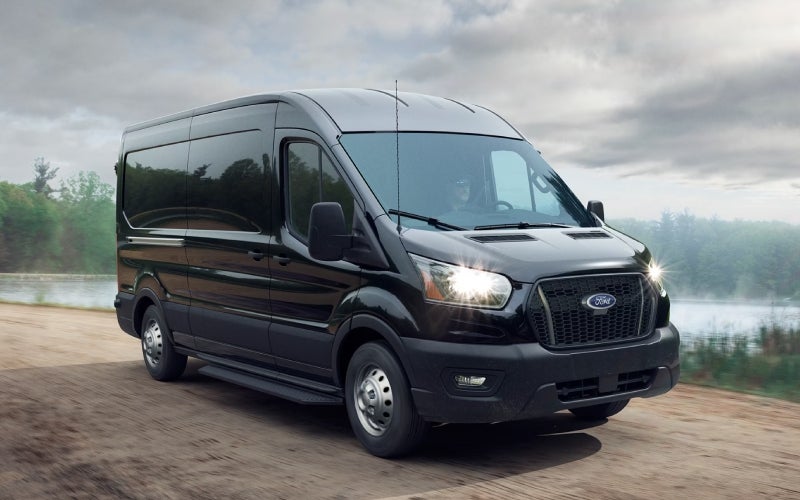
Is the 3.5L EcoBoost® V6 on the 2026 Ford Transit the Right Pick for Wayne, NJ Routes?

Is the 3.5L EcoBoost® V6 on the 2026 Ford Transit the Right Pick for Wayne, NJ Routes?

Quality Auto Mall - Is the 3.5L EcoBoost® V6 on the 2026 Ford Transit the Right Pick for Wayne, NJ Routes? Choosing the best powertrain for your full-size van matters, especially when your day includes on-ramps, quick merges, and back-to-back stops with passengers and gear. The 2026 Ford Transit® offers two compelling options—the 3.5L PFDi V6 and the available 3.5L EcoBoost® V6—each tuned for a different balance of response and efficiency. If your routes in and around Wayne, NJ call for confident highway passing or you regularly carry a full load of people and luggage, here’s how to decide whether the EcoBoost® V6 is the smarter match. Understanding the Two Engine Personalities Start with the fundamentals. The standard 3.5L PFDi V6 is smooth, predictable, and designed to perform well across a wide range of everyday routes. It’s a favorite for steady city and suburban loops where you value calm drivability and consistent output. The available 3.5L EcoBoost® V6, by contrast, brings extra punch when you ask for it—ideal for busier corridors and schedules where you can’t afford to hang back in the merge lane. If you shepherd teams to training sites, shuttle hotel guests to the airport, or run timesensitive corporate routes, that stronger midrange response can make your day move more efficiently. Either way, Transit® supports long days on the go. You get a standard 25-gallon tank and an available 31-gallon extended-range tank to comfortably stretch your intervals between stops. Pairing the right engine with the right fuel tank can help you build a van that matches your rhythm—fewer interruptions, more on-time arrivals. Where the EcoBoost® V6 Shines Think about the friction points in your drive. If you frequently hit short highway ramps, accelerate from tight shoulders, or climb rolling grades with a van full of passengers, the EcoBoost® V6’s extra reserves pay off. It helps you reach target speed briskly, settle into traffic smoothly, and reduce time spent in vulnerable positions. Confidence compounds here—drivers feel less rushed and more in control, passengers appreciate the quiet authority, and schedules stay intact more often. For teams that value all-weather stability as well, pairing the EcoBoost® V6 with available Intelligent All-Wheel Drive is a compelling recipe. AWD monitors conditions and actively directs power where needed, supporting your traction on slick pavement or uneven approaches. The result is a van that feels planted and capable, even on mixed-surface days. Cabin Tech That Complements Either Engine Beyond what’s under the hood, Transit® standardizes the kind of tech that reduces mental overhead for drivers. SYNC® 4 with a 12" center display and Enhanced Voice Recognition puts navigation and smartphone integration right where you expect it, while the interface is easy to learn for new team members. The standard 8" cluster display keeps information crisp, and Tire Pressure Monitoring System (TPMS) visibility helps you stay proactive with maintenance between scheduled service visits. Driver confidence also gets a lift from Ford Co-Pilot360®. Standard features like front and rear parking sensors, Pre-Collision Assist® with Automatic Emergency Braking, and Lane-Keeping System serve as helpful extra sets of eyes. Together, these systems make the van feel smaller in tight quarters and more composed in busy traffic, supporting safer, more consistent driving across long shifts. Seating, Access, and Everyday Flow If you’re moving people, the interior matters as much as power. Transit® can be configured for up to 15 passengers, with available 10-way power heated front seats to keep drivers comfortable through long days. Available Close Assist helps make the sliding side door movement feel precise and smooth—no slamming required—while the Passenger Van XLT’s available 253-degree rear door opening eases loading in tighter alleys or curbside zones. When every minute counts, details like these are worth their weight in schedule savings. How to Decide Between PFDi and EcoBoost® for Your Routes Start with your heaviest use case. If most days include fully seated trips and luggage—plus highway merges or rolling grades—the EcoBoost® V6 will likely meet your needs with more headroom in reserve. If your routes are short, steady, and lightly loaded, the PFDi V6 remains a smart, balanced choice. In both scenarios, consider the available 31-gallon extended-range tank if you value fewer refueling stops across a long shift. Route profile: Highway merges and grades favor the EcoBoost® V6, steady city loops suit the PFDi V6 Passenger and cargo mix: Frequent full loads benefit from the EcoBoost® V6’s extra response Weather and terrain: Available Intelligent AWD adds confidence across mixed surfaces Range preference: The available 31-gallon tank reduces interruptions on long schedules Cabin workflow: Close Assist and the available 253-degree rear door opening speed up stops Try Both Engines on the Same Test Loop The best way to confirm your decision is to drive both engines back to back over a familiar route. Replicate your daily conditions—short on-ramps, quick lane changes, curbside stops—and note how each setup feels with passengers or representative cargo on board. Pay attention to smoothness, passing confidence, and your own comfort level behind the wheel. Frequently Asked Questions: Is the EcoBoost® V6 overkill for mostly city driving? Not necessarily. If you’re frequently at or near capacity and need decisive response in tight traffic, the EcoBoost® V6 can reduce stress and time spent merging or passing. For lightly loaded, lower-speed routes, the PFDi V6 is often the right pick. Should I pair Intelligent AWD with the EcoBoost® V6? If your routes include mixed pavement, sloped driveways, or frequent bad-weather conditions, available Intelligent AWD is worth strong consideration. It adds traction and composure without demanding attention from the driver. Does SYNC® 4 come standard, or do I need to upgrade for the 12" screen? SYNC® 4 with a 12" center display is standard on Transit®, bringing an easy-to-navigate interface and Enhanced Voice Recognition to every van. What seating options are available if I need maximum capacity? Transit® can be configured to seat up to 15 passengers. You can also fine-tune layouts for your balance of people and luggage, and available features such as Close Assist and the XLT’s available 253-degree rear door opening make boarding and loading easier on tight schedules. Ready to feel the difference the right powertrain can make on Wayne-area routes? Quality Auto Mall is serving Wayne, Hackensack, and Paramus with tailored test drives and configuration guidance. Bring your route notes, your loading routine, and we’ll put both engines to the test on a loop that mirrors your day-to-day. That way, you can choose with confidence—and keep every mile working in your favor. Request more 2026 Ford Transit information
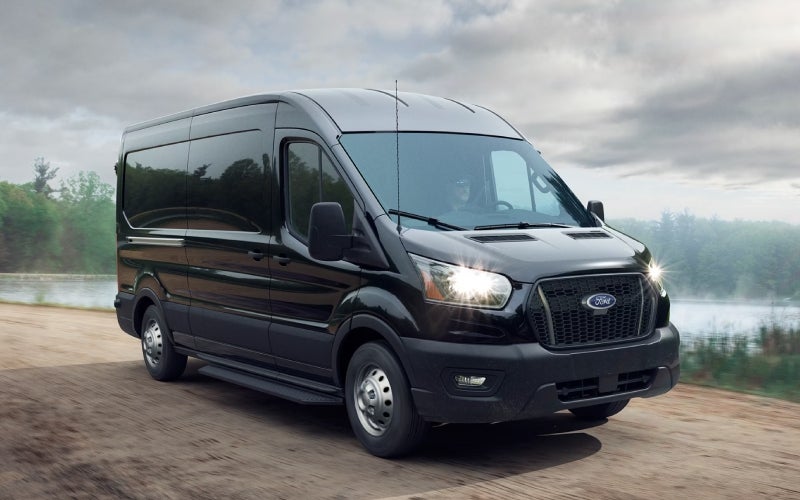
Is the 31-Gallon Fuel Tank on the 2026 Ford Transit Worth It in Newark, NJ?

Is the 31-Gallon Fuel Tank on the 2026 Ford Transit Worth It in Newark, NJ?

Quality Auto Mall - Is the 31-Gallon Fuel Tank on the 2026 Ford Transit Worth It in Newark, NJ? Choosing the right fuel tank capacity can quietly transform your daily routine in and around Newark. For businesses and shuttle operators considering the 2026 Ford Transit®, the available 31-gallon Extended Range Fuel Tank is a small spec choice that can yield big gains in uptime, flexibility, and scheduling. Our team at Quality Auto Mall works with Newark, Elizabeth, Jersey City, and Port Newark customers every day, and we see how fewer fuel stops translate into real efficiency on I-78, the New Jersey Turnpike, and during curbside pickups at Newark Liberty International Airport. What the larger tank adds—and why it matters locally From the factory, the 2026 Ford Transit offers a 25-gallon tank, with an available 31-gallon Extended Range Fuel Tank. Both the 3.5L PFDi V6 and the 3.5L EcoBoost® V6 list the same fuel tank options, so you can prioritize range regardless of which powertrain you prefer. In everyday Newark use—think airport hotel loops, university shuttles, food service routes along Ferry Street, or contractor calls from Newark to Montclair and out to the Meadowlands—six extra gallons can cut a stop or two per day, especially when your schedule bunches up during rush hour. Anyone who has tried to refuel near EWR during peak flight windows knows it can be a time sink. A larger tank lets you top off at off-peak times or closer to your home base. It also adds helpful buffer when traffic turns a 20-minute hop on Route 21 into a 55-minute crawl. That cushion keeps your team on time without scrambling for the nearest open pump. Where extended range pays off on Newark-area routes Consider a passenger shuttle that cycles between downtown Newark, the Prudential Center, and airport terminals all day. Or a delivery van that runs from Port Newark-Elizabeth Marine Terminal to warehouses in Kearny, then heads to customers across Jersey City and Bayonne before a final stop in Bloomfield. The mileage can look modest on paper, but idling, detours around construction, and tight drop-off windows add complexity. With the 31-gallon tank, drivers can move fueling to the beginning or end of a shift—one less operational variable to manage in the middle of the day. For businesses that rotate drivers, consolidating refueling into predictable windows also reduces handoff friction. Your morning shift can focus on pickups and deliveries rather than rolling into the yard on fumes and leaving the next driver to sort it out. Weight, payload, and practical tradeoffs What about weight and payload? Fuel adds weight no matter the vehicle. As a general reference, gasoline is roughly 6 pounds per gallon, so the extra six gallons can add around 36 pounds when the tank is full. Against a listed maximum payload of up to 3,475 lbs. (when properly configured), that’s a modest tradeoff for the flexibility you gain. If your build consistently runs at the upper edge of payload—such as tools plus multiple crew members or heavy equipment—we can help you fine-tune your configuration and loading practices so you keep margin where you need it most. Crucially, the Extended Range Fuel Tank does not change interior room. Seating layouts remain the same—whether you are building around two seats or up to 15 passengers—and your roof height and length choices do not shift because of the larger tank. It’s an under-skin decision with an above-the-line impact on operations. Engine pairings and traction choices You can select the larger tank alongside either engine—the 3.5L PFDi V6 or the 3.5L EcoBoost® V6—and across Rear-Wheel Drive or Available Intelligent All-Wheel Drive. Many Newark-area customers who face mixed weather and steep curbside approaches prefer Available Intelligent All-Wheel Drive for added confidence, and pairing it with the bigger tank keeps range consistent across seasons and routes. Availability can vary by body length, roof height, and seating, so our team will confirm the exact combinations for your use case. Route design also matters. If you primarily operate inside Newark city limits, your drivers may make a lot of short trips with more idle time. If your vans shuttle daily to Hoboken, Manhattan connections, or out to New Brunswick and Morristown, your Transit will spend longer stretches at highway speeds. In both scenarios, the 31-gallon tank minimizes mid-shift interruptions—just in different ways. Tech that supports longer stretches between fuel stops Every 2026 Transit comes with standard SYNC® 4 and a 12" Center Display, which makes it easy to find fuel stations, compare options, and reroute on the fly. The Ford Co-Pilot360® suite is now standard too, bringing features such as front and rear parking sensors and Pre-Collision Assist® with Automatic Emergency Braking to help drivers stay confident in busy corridors. The new 8" instrument cluster includes a Tire Pressure Monitoring System (TPMS) to help maintain proper inflation—a small habit that supports efficiency and consistent handling when your schedule demands all-day driving. Many Newark fleets also rely on the FordPass® App to view vehicle status, including fuel level, before a shift starts. With multi-van operations, that visibility helps dispatch assign a vehicle that’s already topped off to the longest route and leave shorter loops to a van that will refuel at day’s end. Before you decide, it helps to step back and align the tank choice with your daily rhythms. Use the checklist below to frame the decision around real-world constraints rather than hypotheticals. Daily mileage and idle time: Estimate typical miles plus how long you idle during airport runs, warehouse queues, or construction staging. Refueling access: Map convenient fuel stops near your depot and along your usual corridors—Newark Liberty, I-78 interchanges, and Turnpike exits. Uptime goals: If your target is one van—one shift—one refuel, the 31-gallon tank helps lock in that cadence. Payload planning: Account for the extra fuel weight in your load calculations to preserve margin for people and gear. Upfit layout: Confirm shelves, partitions, and seating will keep weight balanced over the axles so your Transit tracks true all day. Futureproofing: If your routes are growing in radius or stops per shift, extended range today may save you operational changes tomorrow. If you tow—Transit is rated to tow up to 4,500 lbs. when properly equipped—the larger tank also adds welcome margin. Trailers for mobile kitchens, landscaping equipment, or event gear can increase consumption over a shift. The extra six gallons helps keep your itinerary intact without reshuffling stops to accommodate a refuel. Beyond fuel planning, consider complementary features that make long days easier on drivers and passengers. Available Close Assist helps the sliding door latch without slamming—useful for pre-dawn drop-offs in residential areas—and standard driver-assist features support confidence in tight parallel parking near Broad Street or Newark Penn Station. These details add up when your team is in and out of the van dozens of times per day. Here’s how Newark-area operators we serve commonly configure their vans: airport hotels lean toward Passenger Van XL or XLT with Medium Roof, Long length, and the 31-gallon tank to minimize midday stops. Catering and retail delivery teams often choose Cargo Van builds with organization accessories, Available Intelligent All-Wheel Drive, and the larger tank to keep multi-borough routes predictable even if the Holland Tunnel or Pulaski Skyway slows to a crawl. If you are unsure, we will sit down with your route map, passenger or payload needs, and upfit plans to model how the Extended Range Fuel Tank affects your schedule. Then we will help you test drive a 2026 Transit and confirm visibility, maneuverability, and comfort for your team’s daily reality in Newark. Frequently Asked Questions: Is the 31-gallon tank available on both Passenger Van XL and XLT? Yes, the 2026 Transit Passenger Van lineup lists a standard 25-gallon tank with a 31-gallon Extended Range Fuel Tank available on many configurations. We will verify availability for your preferred roof height, length, and seating layout before you place an order. Does the larger tank change interior space or seating? No. The Extended Range Fuel Tank does not alter cabin dimensions, seating capacity, or your chosen roof height and length. It’s an underbody specification, so interior space and seat configurations remain the same—including options for up to 15 passengers. Will the extra fuel weight reduce my payload? Carrying more fuel uses a small portion of your available payload—roughly 6 pounds per gallon—so a full 31-gallon fill weighs a bit more than a full 25-gallon fill. Given the Transit’s robust payload ratings when properly configured, most operators find the tradeoff minimal compared with the operational benefits of fewer stops. Can I monitor fuel level remotely? Yes. With the FordPass® App, you can view vehicle status such as fuel level on supported vehicles, which helps dispatch match vans to routes and plan refueling outside of peak hours. Does engine choice affect the fuel tank option? Both the 3.5L PFDi V6 and the 3.5L EcoBoost® V6 list a standard 25-gallon tank with an available 31-gallon option. We will confirm compatibility across your selected drivetrain—Rear-Wheel Drive or Available Intelligent All-Wheel Drive—and body configuration. Set up your Newark-spec Transit with our team Whether you run a hotel shuttle by Newark Liberty, a nonprofit transport service, or a contractor fleet covering Essex and Hudson counties, the 31-gallon Extended Range Fuel Tank can simplify your day by reducing variables you have to manage. Visit or contact our team at Quality Auto Mall in Rutherford—just minutes from downtown Newark—to build the 2026 Ford Transit that fits your routes, passengers, and loading needs. We will help you select the right engine, confirm tank availability for your configuration, and get you on the road with a setup tailored to how you actually work. Request more 2026 Ford Transit information
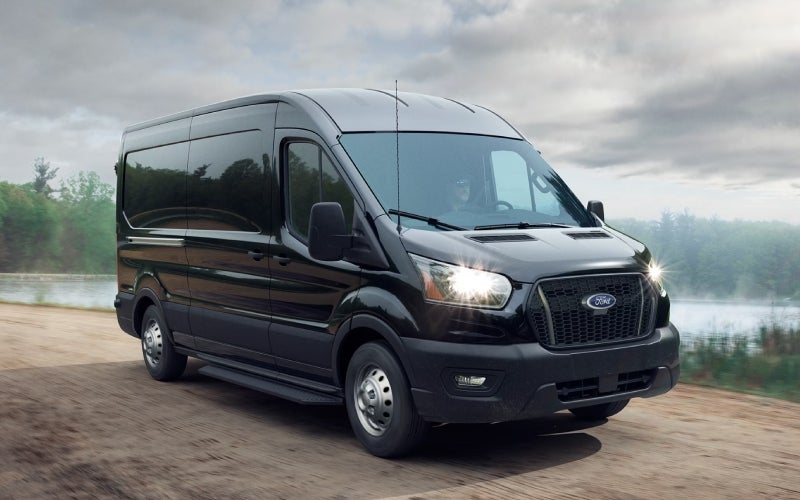
Passenger Comfort and Connected Control on the 2026 Ford Transit for Rutherford, NJ Teams

Passenger Comfort and Connected Control on the 2026 Ford Transit for Rutherford, NJ Teams

Quality Auto Mall - Passenger Comfort and Connected Control on the 2026 Ford Transit for Rutherford, NJ Teams Shuttle routes, airport transfers, game-day charters—when you move people for a living, small touches become big wins. That’s where the 2026 Ford Transit® shines for operators around Rutherford, NJ. The cabin is purpose-built to support calm, confident driving and a comfortable ride, with standard SYNC® 4 on a crisp 12-inch screen and a new 8-inch instrument cluster that keeps essentials clear. Add available 10-way power heated front seats for long shifts, select seating for up to 15, and you’ve got a van that makes quick work of daily demands while keeping passengers relaxed. Let’s look at two areas customers ask about most: onboard tech and access. SYNC® 4 with Enhanced Voice Recognition anchors the driver’s workflow. It makes navigation, calls, and music management feel intuitive, helping reduce distractions when traffic gets dense. The instrument cluster’s smart layout—with a standard Tire Pressure Monitoring System (TPMS)—helps drivers stay proactive about vehicle health. On the access front, the Transit design team added thoughtful touches: an available 253-Degree Rear Door Opening that simplifies curbside loading and an available Close Assist function on the sliding door to prevent slamming and speed up departures. Together, these make a tangible difference during tight turnarounds and crowded pickup zones. Why does this matter locally? Routes around Rutherford often mix quick highway hops with neighborhood streets and narrow curbs. The Transit’s smart sightlines, large mirrors, and standard front and rear parking sensors help drivers settle into a rhythm, even when making frequent stops at hotels, corporate campuses, or sports venues. Many teams also appreciate how easily the Transit toggles between passenger duty and light cargo—flat floors and available organization accessories make it simple to stage luggage, instruments, or gear without losing time. For operators who carry varied group sizes during the week, the Transit’s flexibility is the headline. Three roof heights—Low, Medium, and High—accommodate comfort and storage needs, while two body lengths—Long and Extended—let you scale capacity. You also get two engine choices: the reliable 3.5L PFDi V6 or the punchy 3.5L EcoBoost® V6. If routes include hilly stretches, wet conditions, or unpaved access roads, available Intelligent AWD helps add traction and composure without asking the driver to think twice. Here’s a quick breakdown of benefits our customers highlight most after a few weeks of use: Seating capacity: Up to 15 with easy-to-use configurations for different groups Displays: 12-inch center touchscreen plus new 8-inch instrument cluster for at-a-glance info Driver assistance: Ford Co-Pilot360® standard with front and rear parking sensors, Pre-Collision Assist® with Automatic Emergency Braking, and Lane-Keeping System Access: Available 253-Degree Rear Door Opening and available Close Assist to smooth every stop Power choices: 3.5L PFDi V6 or 3.5L EcoBoost® V6 to match your load and drive style Traction: Available Intelligent AWD adds confidence in mixed conditions Choosing between XL and XLT Passenger Van? Both bring the core Transit formula, but XLT is built to elevate everyday comfort and convenience. You’ll find thoughtful upgrades like a larger center console with additional storage and the availability of the 253-Degree Rear Door Opening, which can be a game-changer for curbside operations with tight space. Pair that with the Transit’s inherently quiet, solid ride, and your passengers will immediately notice the difference. If your operation prioritizes timeliness, durability, and quick learning for new drivers, the Transit’s straightforward controls and natural sightlines shorten the training curve. Features integrate cleanly—the shifter is built into the center console to keep the floor clear, and the cabin layout leaves room for radios, tablets, and dispatch gear without clutter. Customers often mention how the Transit “feels smaller than it is” in dense traffic, yet it still swallows big groups and bulky luggage without compromise. Frequently Asked Questions: How many passengers can the 2026 Ford Transit carry comfortably? Depending on configuration, the 2026 Transit can seat up to 15 passengers, with layouts designed to balance access, legroom, and gear space. Which engine should I choose for mixed passenger and light towing? The 3.5L PFDi V6 is an excellent all-around choice for daily people-moving. If you plan to tow more frequently or want stronger acceleration with full loads, the available 3.5L EcoBoost® V6 is the smart upgrade. What helps the Transit maneuver in tight hotel or stadium zones? Standard front and rear parking sensors, large mirrors, and the driver-friendly SYNC® 4 interface help with close-quarters driving. The available 253-Degree Rear Door Opening is especially useful along crowded curbs. Does the Transit offer added traction for wet or uneven surfaces? Yes. Available Intelligent AWD adds confident traction and composure, which is helpful for steep driveways, gravel lots, and rainy days. How does the Transit manage quick boarding and exits? The available Close Assist sliding door reduces the need to slam doors, speeds up stops, and helps maintain a quieter, more professional experience for passengers. For teams focused on delivering a premium shuttle experience without complicating the day, the Transit’s combination of standard tech, smart access, and configurable space pays off right away. Passengers benefit from a smoother ride and easier loading, while drivers appreciate an interface that respects their attention with clean, helpful displays. When it’s time to choose a configuration, talk through your daily routes—are you typically picking up at curbs with limited room, or do you need maximum interior height for tall passengers and stacked luggage? That one decision often guides the rest, from door features to driveline choice. As your operation evolves, the Transit platform scales up or down with you, which is why so many local businesses keep coming back to it year after year. Quality Auto Mall is here to help you tailor the details that matter most, serving Belleville, Rutherford, and Clifton with clear guidance and a hands-on approach to spec’ing your van. Whether your priority is passenger comfort, driver simplicity, or streamlined loading, we’ll help you configure a Transit that feels like it was built for your exact routes and schedules—because that’s the point. Request more 2026 Ford Transit information
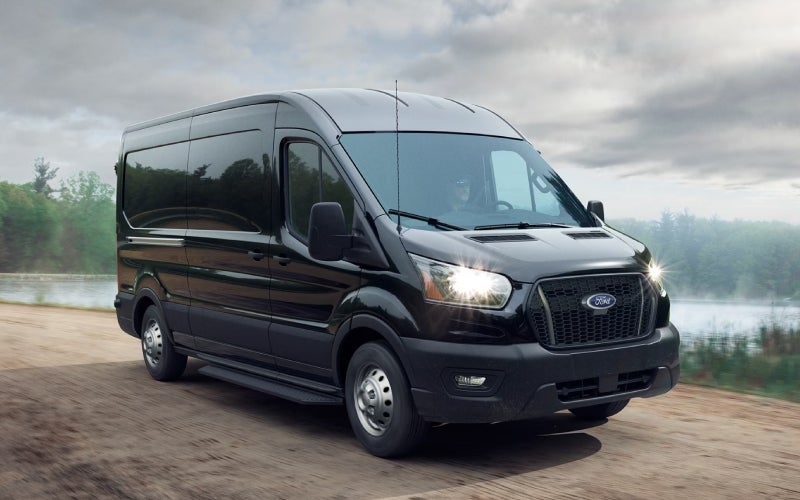
Is Available Intelligent AWD on the 2026 Ford Transit Worth It for Winter Routes around Clifton, NJ?

Is Available Intelligent AWD on the 2026 Ford Transit Worth It for Winter Routes around Clifton, NJ?

Quality Auto Mall - Is Available Intelligent AWD on the 2026 Ford Transit Worth It for Winter Routes around Clifton, NJ? If your business thrives year-round, winter is not a pause button—it’s a proving ground. The 2026 Ford Transit® offers available Intelligent AWD to help your drivers stay confident when rain turns to slush and morning frost lingers on steep driveways. Unlike part-time systems that demand driver input, Intelligent AWD is designed to proactively manage traction, sending torque to the wheels that need it most. Pair this with Transit’s flexible configurations—three roof heights and two lengths—and your crews get the sure-footed control they need without giving up the maneuverability required for urban deliveries or passenger pick-ups on narrow streets. The result is a van that treats adverse weather as one more variable to manage rather than a day-stopper. Beyond traction, AWD can boost predictability. For shuttle operators and service teams navigating hills, angled curbs, or unplowed side roads, stability reduces time lost to cautious starts and messy reroutes. The 2026 Transit’s standard Ford Co-Pilot360® helps too, with features like Pre-Collision Assist® with Automatic Emergency Braking, Lane-Keeping System, and front and rear parking sensors. Inside, SYNC® 4 with a 12-inch center display keeps directions clear, while the updated 8-inch cluster puts essentials within quick reach—ideal when weather demands extra attention. If your question is whether to spec AWD on a van that already offers up to 15-passenger seating and an available 31-gallon Extended Range fuel tank, the answer often hinges on your routes, your schedules, and how much downtime you can tolerate when conditions turn unpredictable. Traction advantage: Intelligent AWD can help on hills, ramps, and slick intersections without driver intervention. Route reliability: Fewer weather-related delays keep deliveries and shuttle runs on schedule. Driver confidence: Stable launches and steady tracking reduce stress in mixed conditions. Year-round value: AWD also benefits gravel worksites and uneven shoulders in shoulder seasons. Consider the broader ownership picture. If your teams regularly cross town between schools, medical campuses, and office parks, Intelligent AWD may pay back in punctuality and reduced driver fatigue. Businesses that lean on the available 253-degree Rear Door Opening for curbside loading will appreciate AWD’s stability when parking on crowned roadways or icy shoulders. And if you’re configuring the Passenger Van XLT for private shuttle service, pairing AWD with available heated 10-way power front seats elevates cold-weather morale from the first pickup of the day. Frequently Asked Questions: Will Intelligent AWD affect payload or seating? Intelligent AWD is designed to enhance traction without changing the Transit’s core packaging flexibility. You can still configure roof height, length, and seating—up to 15 passengers—based on your needs. Is AWD necessary if most routes are paved? Many paved routes include steep ramps, angled curbs, and poorly cleared intersections in winter. Intelligent AWD adds a margin of control that can keep timing predictable when conditions deteriorate. How does AWD work with driver-assist tech? AWD supports traction, while standard Ford Co-Pilot360® features—like Pre-Collision Assist® and Lane-Keeping System—help with awareness and guidance. Together, they support confident, balanced driving in varying conditions. When you build your 2026 Transit, think beyond the weather report. AWD’s value shows up in small moments: fewer wheelspin starts on a frosty morning, more controlled merges when lanes are rutted with slush, and smoother access to side streets where plows haven’t made a second pass. If your operation depends on keeping promises regardless of the forecast, Intelligent AWD can be the quiet upgrade that keeps your schedule—and your reputation—on track. Quality Auto Mall is here to help you weigh the benefits in context, serving Clifton, Nutley, and Kearny with configuration guidance that starts with your routes and ends with a build that makes daily work simpler. Request more 2026 Ford Transit information
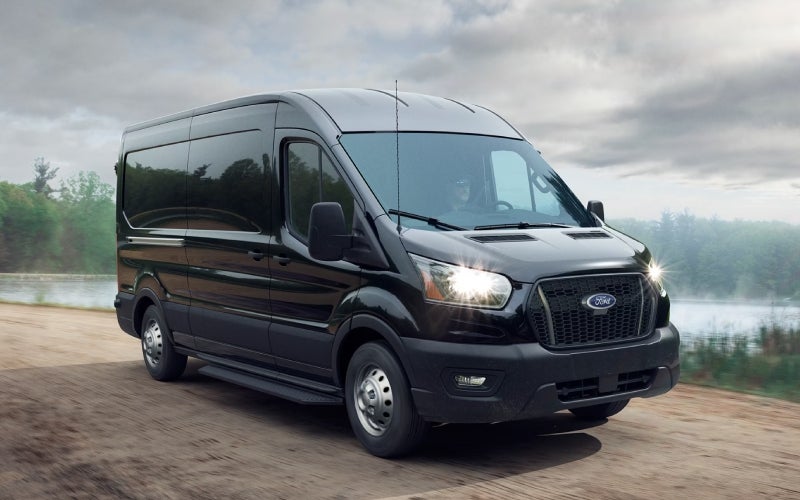
All-Weather Confidence and Smart Safety for Bloomfield, NJ Businesses— A Closer Look at the 2026 Ford Transit

All-Weather Confidence and Smart Safety for Bloomfield, NJ Businesses— A Closer Look at the 2026 Ford Transit

Quality Auto Mall - All-Weather Confidence and Smart Safety for Bloomfield, NJ Businesses— A Closer Look at the 2026 Ford Transit When your schedule stacks deliveries, airport runs, and on-call service visits, confidence in any forecast is more than a luxury—it is a necessity. The 2026 Ford Transit answers with available Intelligent AWD and a suite of standard driver-assist features under Ford Co-Pilot360®, creating a reassuring foundation for packed calendars and varied routes. While capacity, roof height, and length play big roles in setup, many local operators want to know how technology and traction systems translate into fewer delays and smoother days. This focused guide breaks down how the Transit’s traction management and assistance systems support safe, efficient movement across town and across long corridors. Available Intelligent AWD is designed to add traction the moment it is needed—no situation-based stress, no extra mental load for the driver. For Bloomfield, NJ businesses who encounter sudden downpours around midday or slushy side streets before dawn, AWD’s confident feel can mean steadier pull-aways from lights, more surefooted hill starts, and extra composure exiting tight alleys. The system’s integration works with engine output to balance grip and stability without drawing attention to itself, a benefit on routes that may shift from dry to wet to mixed in a single afternoon. Combined with a tall seating position and clear sightlines, drivers get a calmer vantage point for reading traffic and road conditions. With Ford Co-Pilot360® standard, the Transit brings helpful support to everyday maneuvers. Front and rear parking sensors assist with precise positioning in delivery bays and crowded curbs. Pre-Collision Assist® with Automatic Emergency Braking provides added help in the event another motorist stops short, and the Lane-Keeping System helps promote steady tracking during long stints between pickups. For organizations balancing tight timelines and new driver onboarding, these technologies help cultivate consistent habits without requiring complicated training sessions. Standard SYNC® 4 with a 12" center display and Enhanced Voice Recognition pairs with this safety net by streamlining navigation and communication—ideal when dispatch sends mid-route updates. How do these systems translate into measurable daily wins? Consider two common scenarios for local businesses: Rainy rush-hour routes: Available Intelligent AWD helps provide confident launches from slick intersections, while parking sensors add precision for quick curbside stops. Pre-dawn airport shuttles with mixed surfaces: Composure at low speeds on damp concrete is enhanced by AWD, and driver-assist monitors help keep focus during early hours. Choosing the right configuration is just as important as selecting technology. The Transit’s three roof heights and two lengths, combined with available 253-degree rear door opening and Close Assist, streamline passenger loading and cargo staging. For businesses that prioritize people-moving, available 10-way power-heated front seats help keep drivers comfortable through long cycles. Cargo-focused builds can tap into available organization accessories to secure equipment, scanners, and supplies—small efficiencies that add up over a month of stops. Quality Auto Mall provides knowledgeable guidance on pairing Intelligent AWD with the right engine—either the proven 3.5L PFDi V6 or the punchy 3.5L EcoBoost® V6—based on payloads, route distances, and typical road conditions. Our advisors can talk through the benefits of the standard 25-gallon tank versus the available 31-gallon extended-range tank for fewer stops on wide-flung routes. With a clear view of your day-to-day patterns, we help map features to outcomes that matter most, keeping your vans productive and drivers confident. Frequently Asked Questions: Is Intelligent AWD worth it if most routes are on main roads? For operators who face variable weather, early morning starts, or frequent curbside stops, Intelligent AWD’s extra traction can boost consistency with minimal trade-offs. It shines when conditions change in the same shift. Which driver-assist features are standard? Ford Co-Pilot360® is standard and includes front and rear parking sensors, Pre-Collision Assist® with Automatic Emergency Braking, and a Lane-Keeping System, supported by SYNC® 4 for seamless navigation and communication. How do I decide between roof heights and lengths? Start with your primary mission—passengers or cargo—then match aisle space, headroom, and staging needs. Many shuttle businesses prefer Medium or High Roof for easier movement; cargo builds often benefit from Extended length for volume. Can I expand features over time? Yes. Many accessories and organization solutions can be added as needs evolve, from storage upgrades to interior refinements that support new routes or services. If you are comparing configurations for seasonal weather or onboarding new drivers quickly, a Transit equipped with available Intelligent AWD and standard Ford Co-Pilot360® creates a forgiving, confidence-inspiring platform. With thoughtful technology, practical door and roof options, and ergonomic cabin touches, it is a van built to meet real-world demands. Our team is proudly serving Kearny, Bloomfield, and Passaic with tailored recommendations and test-drives that focus on your daily realities—so your next vehicle solution works as hard as your business does. Request more 2026 Ford Transit information
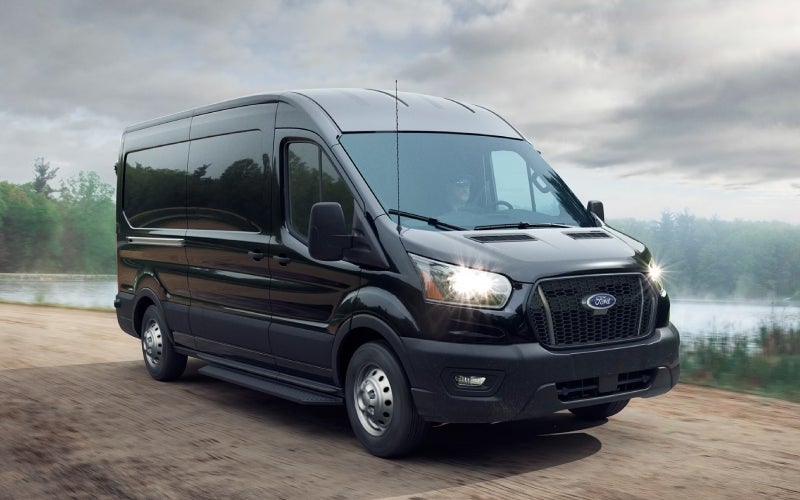
Which Roof Height on the 2026 Ford Transit Works Best for Newark, NJ Delivery Teams?

Which Roof Height on the 2026 Ford Transit Works Best for Newark, NJ Delivery Teams?

Quality Auto Mall - Which Roof Height on the 2026 Ford Transit Works Best for Newark, NJ Delivery Teams? Choosing the right roof height on a full-size van can change everything — how quickly you load and unload, whether you can stand comfortably while organizing packages, and how well the van fits into garages or under-height facilities on your route. The 2026 Ford Transit gives you three roof heights to tailor your build to the workday, from lower overall height for tight spaces to towering capacity for mobile workstations and high-volume deliveries. Because delivery teams face different daily realities — tight alleys, urban parking garages, changing load sizes — the best choice balances interior headroom and maneuverability. The good news is that each Transit roof height serves a clear purpose. Start by reviewing your routes and the physical constraints you see most, then match the configuration to your load profile and your drivers’ preferences. Low Roof: Ideal if you frequently navigate older garages, low clearances, or congested downtowns with tight entrances, while still offering excellent cargo space. Medium Roof: A smart middle ground that enables more comfortable movement inside the cargo area for many drivers without sacrificing urban practicality. High Roof: Best when standing height and shelving configurations are top priorities, enabling efficient sorting and picking inside the van. This decision also ties to wheelbase and cargo length. Longer wheelbases increase usable storage and improve workflow options for shelving and bins, but keep an eye on turning radius in dense neighborhoods. Pairing the right wheelbase with the right roof makes a tangible difference in how efficiently your team works at each stop. Technology plays a crucial role too. If your routes take you through busy Newark corridors, consider adding available SYNC 4 on the 12.0-inch touchscreen for clear routing and dispatch communication. Available driver-assist upgrades such as blind-spot monitoring and a 360-degree camera system can help with merges and curbside maneuvers, especially on High Roof models where overhead mass can change driver perception in tight quarters. If your drivers encounter variable weather or uneven service roads, available All-Wheel Drive adds confidence without making the van feel harsh or unwieldy. As you finalize your build, think about load type and weight distribution. Heavier items that require floor-mounted restraints might favor a Medium Roof with a longer wheelbase, while lighter but bulky items often benefit from a High Roof with thoughtful shelving to minimize back-and-forth at each stop. Training consistency matters, too — standardizing features like camera systems across your fleet can shorten onboarding time, even if you run a mix of roof heights. Frequently Asked Questions: Will a High Roof Transit fit into most Newark parking garages? Many older urban garages have strict height limits that can be challenging for High Roof vans. If your routes rely on garage access, confirm posted clearances and test with the exact configuration you plan to run. A Medium Roof often provides a better balance for mixed street-and-garage delivery patterns. Does roof height affect stability or handling in crosswinds? Taller vehicles naturally present more side area to the wind, but the Transit’s well-tuned suspension and steering provide reassuring stability. If your drivers frequently encounter crosswinds on bridges or highway overpasses, consider driver training on lane positioning and, when available, equip the van with driver-assist features that support calmer, more precise inputs. How should I choose between All-Wheel Drive and Rear-Wheel Drive? Rear-Wheel Drive is an excellent default that balances durability and efficiency for many routes. All-Wheel Drive is worth considering if your team regularly faces snow, rain-slicked surfaces, or uneven service roads that challenge traction during frequent stops and starts. The most successful fleets build around their environment, not the other way around. Measure your common parking obstacles, confirm ceiling heights, and plan your loading zones — then align your Transit to the real-world constraints your drivers see daily. When you are ready to explore configurations and test how the roof heights feel in person, our product specialists can arrange on-road evaluations that mirror your Newark routes. Quality Auto Mall stands ready to guide you through cargo layout choices, tech options, and driver-assist packages so you can launch with confidence, serving Bloomfield, Passaic, and Newark. Request more 2026 Ford Transit information
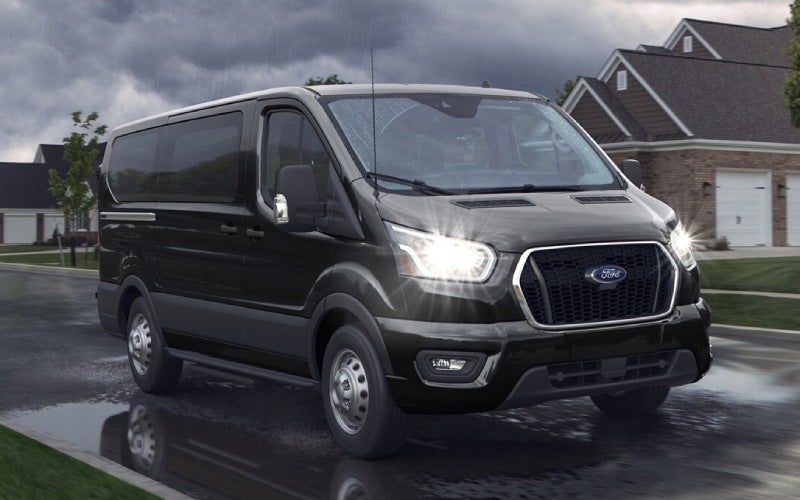
How Many Passengers Can the 2026 Ford Transit Carry for Newark, NJ Shuttle Operators?

How Many Passengers Can the 2026 Ford Transit Carry for Newark, NJ Shuttle Operators?

*Not actual model Quality Auto Mall - How Many Passengers Can the 2026 Ford Transit Carry for Newark, NJ Shuttle Operators? The 2026 Ford Transit stands out for shuttle services because it can be configured to carry up to 15 passengers while still delivering the driving confidence and technology businesses expect from a modern full-size van. If you are planning routes around Newark, NJ with frequent airport, hotel, campus, or event pickups, the Transit’s combination of multiple lengths and three roof heights helps you dial in aisle space, headroom, and luggage solutions without overbuilding or under-specifying your fleet. Passenger comfort starts with the Transit’s smart cabin layout, which draws on Ford’s SUV-inspired ergonomics. The result is an interior that is easier to board, easier to clean, and more comfortable on long rides. Available SYNC 4 with a 12.0-inch touchscreen streamlines navigation and communication, while the Wi-Fi hotspot helps drivers stay connected between stops. Safety matters in busy corridors, and the Transit delivers with standard automated emergency braking, lane-keeping assist, and lane-departure warning, plus available adaptive cruise control, blind-spot monitoring, and a 360-degree camera system for confident maneuvering at curbs and loading zones. Up to 15-seat capacity with flexible row layouts Three roof heights for improved headroom and boarding Multiple lengths to balance passenger volume and luggage space Available all-wheel drive for year-round traction Driver-focused tech with SYNC 4 and smartphone integration Choosing the right configuration comes down to your most common routes. For shorter hops with high turnover, prioritize easy ingress and egress with wider aisles and a roof height that supports standing in the cabin. For longer routes to and from the airport, consider maximizing luggage space and ensuring quick communication with dispatch through SYNC 4. If your schedules run year-round and weather can derail timing, available all-wheel drive helps keep routes predictable and drivers confident when the forecast is less than ideal. Frequently Asked Questions: What is the maximum seating capacity on the 2026 Ford Transit? When configured as a passenger van, the Transit can accommodate up to 15 occupants across multiple rows. You can choose layouts that emphasize aisle space, luggage room, or total seat count based on your service model. Which roof height is best for frequent boarding and deplaning? Taller roof options make a difference when passengers are carrying bags or when you want easier movement between rows. If your service includes airport or hotel runs with frequent stops, a higher roof can improve flow and reduce dwell time at the curb. Is rear-wheel drive or all-wheel drive better for city shuttles? Rear-wheel drive is a great foundation for predictable handling and efficiency. If your routes continue during winter weather or include hills and mixed surfaces, available all-wheel drive adds traction that helps maintain schedules. How does SYNC 4 help shuttle operators? SYNC 4 with the available 12.0-inch touchscreen supports integrated navigation, a Wi-Fi hotspot, and Apple CarPlay and Android Auto compatibility. It helps drivers keep routes updated, stay connected with dispatch, and streamline communication on busy days. If you are building or refreshing a shuttle fleet, Quality Auto Mall can help you compare seating layouts, roof heights, and tech packages to match the flow of your routes. Our team is committed to serving Passaic, Newark, and Wayne with guidance that keeps your operation moving smoothly and confidently. Request more 2026 Ford Transit information
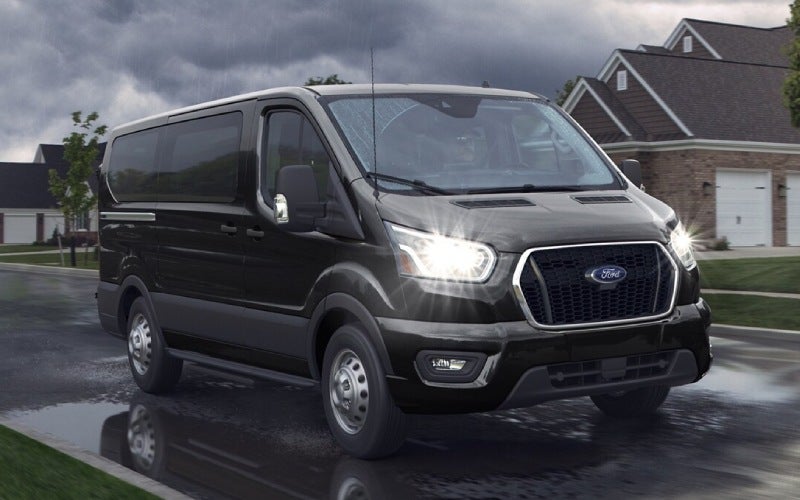
Does the 2026 Ford Transit Offer All-Wheel Drive, and Is It the Right Choice for Your Routes in Rutherford, NJ?

Does the 2026 Ford Transit Offer All-Wheel Drive, and Is It the Right Choice for Your Routes in Rutherford, NJ?

*Not actual model Quality Auto Mall - Does the 2026 Ford Transit Offer All-Wheel Drive, and Is It the Right Choice for Your Routes in Rutherford, NJ? Among the top questions our commercial shoppers ask is simple and practical: does the 2026 Ford Transit offer All-Wheel Drive, and is it the smart choice for daily routes in and around Rutherford, NJ? The short answer is yes — Transit is available with All-Wheel Drive (AWD) as well as Rear-Wheel Drive (RWD). The better answer considers your real-world use cases, from early morning drop-offs along Route 17 to winter service calls across the Meadowlands or quick shuttle runs to Newark Liberty International Airport. At Quality Auto Mall, our team helps businesses match Transit configurations to their workload. Transit’s platform remains highly configurable for 2026, with multiple roof heights, wheelbases, and weight ratings. You can pair AWD with either the 275-hp 3.5L V6 or the available 310-hp 3.5L EcoBoost V6, both mated to a smooth 10-speed automatic. When conditions turn slick on Route 3 or the NJ Turnpike, AWD helps optimize traction, while standard Ford Co-Pilot360® technologies — including automated emergency braking, lane-keeping assist, and lane-departure warning — add confidence on busy corridors. So who benefits most from AWD on a Transit in our area? Consider the following scenarios we frequently see from Rutherford businesses. Winter reliability: Regular routes during snow or slush, unplowed job sites, or steep driveways in nearby hills. Mixed surfaces: Transitions between paved streets, gravel lots, or wet loading docks around industrial parks. Passenger uptime: Hotels, universities, or medical shuttle operators who cannot afford weather-related delays. Tools and payload: Mobile trades carrying heavier gear that could shift weight and reduce traction at launch. Long shifts: Drivers who value stability and reduced wheelspin fatigue across many stops each day. Beyond traction, AWD needs to fit the bigger picture of capability and configuration. Here are key Transit fundamentals to weigh as you decide. Powertrains: 3.5L V6 at 275 hp and 262 lb-ft, or 3.5L EcoBoost V6 at 310 hp and 400 lb-ft — both with a 10-speed automatic. Drivetrains: Rear-Wheel Drive or All-Wheel Drive, selectable at ordering to suit routes and seasons. Towing range: Approximately 3,400 to 7,500 pounds depending on configuration and equipment. Payload range: Roughly 3,060 to 5,110 pounds across models, influenced by roof height, wheelbase, and GVWR. Passenger capacity: Up to 15 seats in select Passenger Van configurations, with multiple row layouts available. Cabin tech: Standard Bluetooth and Wi-Fi hotspot, available SYNC® 4 with a 12.0-inch touchscreen and smartphone integration. Driver assistance: Standard collision-avoidance features, available adaptive cruise control, blind-spot monitoring, and a 360-degree camera system. AWD brings traction advantages; however, tire choice and route planning still matter. For winter-heavy schedules, we recommend dedicated winter-rated commercial tires to maximize stopping and steering in cold temperatures. Drivers switching between RWD and AWD will also notice the Transit’s ride quality — calm and comfortable for a full-size van — which helps reduce fatigue over long shifts. If your routes are primarily dry, flat, and highway-heavy, RWD remains an efficient and capable default with broad upfit flexibility. To make the decision fast, use this quick framework and bring your notes when you visit our commercial team in Rutherford. Route profile: Map your worst-weather streets, grades, and unpaved zones across Rutherford, Secaucus, and Lyndhurst. Load pattern: Note typical payload, center of gravity, and how often you tow within Transit’s rated ranges. Uptime goals: Define how many weather days you can tolerate — shuttle and medical transport often choose AWD. Tire strategy: Decide on all-season vs. winter-specific commercial tires to complement your drivetrain choice. Future growth: Consider whether new contracts might add mixed-surface sites or winter-critical schedules. If your work demands dependable traction in all seasons, AWD on the 2026 Ford Transit pays dividends with smoother launches, surer footing, and fewer weather delays. If most of your miles are dry highway with consistent, predictable loads, RWD remains a smart, efficient foundation. Either way, we can tailor roof height, seating, wheelbase, and driver-assistance features around your business goals, then coordinate upfit partners to deliver a turnkey solution. Our Commercial Sales Specialists at Quality Auto Mall are ready to walk your team through real vehicles, demonstrate the difference between RWD and AWD in local test drives, and help you configure the ideal Transit for Rutherford routes. Bring your route maps and payload targets — we will build a Transit that earns its keep from day one. Frequently Asked Questions: Is All-Wheel Drive available across Cargo, Crew, and Passenger versions of the 2026 Ford Transit? AWD availability is broad, but exact fitment varies by configuration. Our team will confirm AWD for your preferred body style, roof height, and wheelbase, then align it with your payload and seating needs. Does choosing AWD change towing or payload ratings on the 2026 Transit? Towing and payload vary by engine, wheelbase, roof height, and GVWR. We will review the specific towing and payload figures for your AWD build to ensure it meets your requirements. How does AWD affect real-world fuel economy for Transit around Rutherford? Full-size vans like Transit are exempt from EPA fuel-economy ratings, and results vary by load, speed, and conditions. Historically, AWD can use slightly more fuel than RWD; proper tires and smooth driving can help optimize efficiency. Which engine pairs best with AWD for mixed city and highway routes? The 3.5L EcoBoost V6 provides strong, quick acceleration — great for merging onto Route 3 or I-95 with heavy loads — while the standard 3.5L V6 is a dependable choice for lighter-duty routes. We can help you test both. Can Quality Auto Mall help with upfits if we choose AWD? Yes. We coordinate shelving, HVAC, electrical, seating, and accessibility upfits and ensure compatibility with your AWD configuration before installation. Ready to compare AWD and RWD in person? Visit Quality Auto Mall at 55 State Highway 17 in Rutherford, NJ, and let our commercial team tailor a 2026 Ford Transit to your routes, seasons, and customers. We are here to keep your business moving — every stop, every shift, every day. Request more 2026 Ford Transit information
Smart Seating and SYNC 4 Tips for Your 2025 Ford Transit in Kearny, NJ

Smart Seating and SYNC 4 Tips for Your 2025 Ford Transit in Kearny, NJ

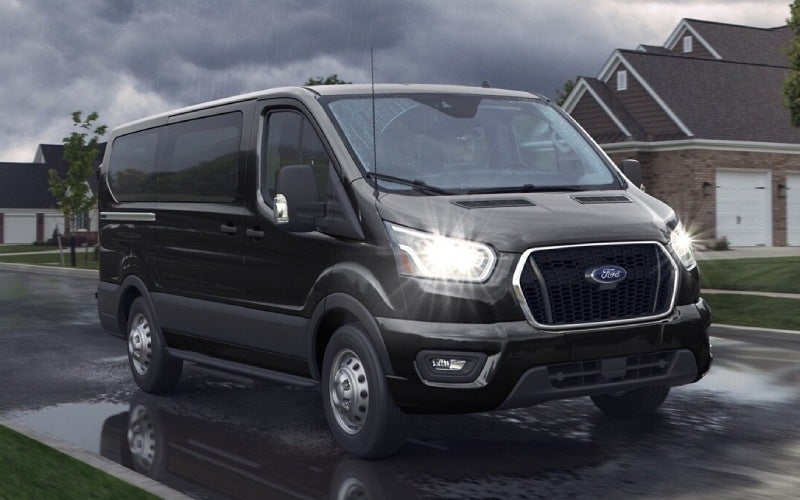
Quality Auto Mall - Smart Seating and SYNC 4 Tips for Your 2025 Ford Transit in Kearny, NJ If you’re organizing airport shuttles, school outings, or hotel transfers around Kearny, NJ, the 2025 Ford Transit can be tailored to fit your passenger headcount, luggage needs, and tech preferences. The secret is to match roof height and length to your daily tasks, then select the interior tech package that streamlines communication and navigation. Here’s how to make confident choices for a setup that works today—and scales for tomorrow. First, think capacity with comfort. Transit offers seating for up to 15 passengers, and its three roof heights—Low, Medium, and High—change how your group moves inside the van. Medium and High Roof variants make it easier for adults to stand and shift down the aisle, which is valuable when riders carry backpacks or business luggage. Pair that with Long or Extended length to balance legroom with luggage space. If your routes include steep grades or frequent highway merges, consider the 3.5L EcoBoost® V6 for extra passing power; for steady city circuits, the 3.5L PFDi V6 is a durable, responsive choice. Roof Height Options: Low maximizes garage access; Medium and High improve walk-in comfort and aisle flow. Length Choices: Long is a sweet spot for mixed routes; Extended benefits larger groups or bulkier luggage. Engines: 3.5L PFDi V6 for predictable daily routes; 3.5L EcoBoost® V6 for hilly terrain or frequent highway merging. Traction: Available Intelligent AWD enhances confidence on wet, snowy, or uneven surfaces. Fuel Capacity: Available extended range 31-gallon tank supports longer stints between stops. Next, align your tech to the way you communicate. On Passenger Van XLT, standard SYNC® 4 with a 12-inch display and Enhanced Voice Recognition makes it easy to manage navigation, calls, and apps. That larger screen is a genuine upgrade for dispatch clarity and quick, safe glances at lane guidance. For teams using multiple vehicles, consistent cabin tech simplifies training and reduces handover time. Add available driver-assists—part of Ford Co-Pilot360®—to reduce stress in dense traffic and tight hotel or hospital lots. BLIS® (Blind Spot Information System) can help monitor blind spots, while the available 360-Degree Camera assists in maneuvering and staging for pickups. Practical touches matter daily. The integrated shifter and dual cupholders keep the center console tidy, while upper dashboard storage bins secure radios, tablets, or route documents. The square cargo opening and 50/50 hinged rear doors speed up loading, and the large mirrors provide wide sightlines when anchoring at the curb. Inside, the aisle is straightforward and illuminated, and the step-in height feels naturally approachable for riders of all ages, including families with strollers. Frequently Asked Questions: Which trim is best if I want the big touchscreen? Passenger Van XLT includes standard SYNC® 4 with a 12-inch display and Enhanced Voice Recognition, making it ideal if navigation and connected apps are priorities for your operation. Do I need High Roof for adult groups? High Roof helps adults stand more comfortably down the aisle, improving flow during boarding and exit. If garage height is a concern, Medium Roof strikes a nice balance between access and interior headroom. Is Intelligent AWD worth it for urban routes? If you encounter wet leaves, snow, or uneven work sites, Available Intelligent AWD offers added grip and confidence. For mild climates and consistent pavement, Rear-Wheel Drive remains a robust, efficient baseline. How should I choose between the V6 engines? Pick the 3.5L PFDi V6 for predictable, stop-and-go routes; choose the 3.5L EcoBoost® V6 when your passengers, gear, and terrain demand stronger passing power or you tow regularly. With the right decisions on seating, tech, and traction, your Transit becomes a seamless extension of your service. Quality Auto Mall is committed to helping you configure a setup that feels natural for your team and intuitive for your drivers—one that handles the weekday rush and weekend special events with equal ease, serving Kearny, Bloomfield, and Passaic. Request more 2025 Ford Transit information

Which 2026 Ford Transit Engine Is Best for Business Deliveries around Kearny, NJ?

Which 2026 Ford Transit Engine Is Best for Business Deliveries around Kearny, NJ?

*Not actual model Quality Auto Mall - Which 2026 Ford Transit Engine Is Best for Business Deliveries around Kearny, NJ? Choosing the right powertrain is one of the most important decisions you’ll make when ordering a Transit for delivery duty. The lineup offers two proven V-6 engines—a naturally aspirated 3.5-liter and an EcoBoost 3.5-liter—each paired with a 10-speed automatic and configured for either rear-wheel drive or available all-wheel drive. Your ideal choice depends on route type, load patterns, and how often you need brisk acceleration in traffic or on grades. The naturally aspirated 3.5-liter V-6 produces 275 horsepower and 262 lb-ft of torque. It’s a smooth, predictable partner for urban routes with frequent stops, lighter payloads, and lots of curbside parking. If your daily rhythm is short hops and steady mid-speed cruising, this engine’s even power delivery can keep drivers comfortable without over-spec’ing your build. On the other hand, the 3.5-liter EcoBoost V-6—rated at 310 horsepower and 400 lb-ft—adds serious low-end punch that’s noticeable when pulling away from a light with a full load, merging onto busy highways, or tackling hilly terrain. Paired with the 10-speed automatic, the EcoBoost’s broader torque curve helps the van stay responsive without constant downshifts, a plus for driver confidence and schedule predictability. Consider the full context of your routes. If you frequently operate in dense traffic with tight delivery windows, the quick response of the EcoBoost V-6 can trim seconds at every stop and reduce stress when small gaps appear. If your business carries lighter parcels and runs mainly on flat, familiar streets, the standard V-6 remains an excellent fit—especially when you value consistent, calm drivability. Driveline choice matters, too: available all-wheel drive enhances traction in rain, snow, and on gravel or uneven service roads, making it a smart addition for year-round reliability. Rear-wheel drive continues to be a balanced, capable option for predictable surfaces and certain higher payload builds. Technology also plays a role in driver satisfaction and efficiency. Regardless of engine, the Transit offers standard safety features like Automated Emergency Braking, Lane-Keeping Assist, and Lane-Departure Warning. For busier routes with frequent lane changes, available Blind-Spot Monitoring helps keep drivers aware of surrounding traffic, while an available 360-Degree Camera system takes the edge off tight alleyways and loading zones. Inside, stepping up to the available 12.0-inch SYNC 4 touchscreen adds integrated navigation and wireless Apple CarPlay and Android Auto—ideal for real-time rerouting, hands-free updates, and streamlined workflows. Less time fumbling with devices equals more time hitting your stops on schedule. Think beyond day one. If your business is growing into heavier loads or longer routes, the EcoBoost V-6 gives you headroom without reinventing your build later. If your mix is stable and focused on short-haul drops, the naturally aspirated V-6 remains a smart, cost-conscious foundation. In both cases, the 10-speed automatic’s close ratios and smooth calibration help keep the van composed, while available all-wheel drive adds resilience when the weather turns. Quality Auto Mall helps local owners tailor their configuration to everyday realities—from engine selection and driveline to roof height, wheelbase, and the right driver-assist features for your territory. If you operate across mixed terrain or encounter winter weather, we’ll walk you through how available AWD complements your engine choice and what that means for your typical payloads. Our commercial team will also coordinate with upfit partners so your Transit arrives ready to roll, with shelves, partitions, and floor protection aligned to your route model. Frequently Asked Questions: Which engine is better for frequent highway merges and uphill routes? The 3.5-liter EcoBoost V-6, with 310 hp and 400 lb-ft of torque, offers stronger low- and mid-range response that helps when accelerating onto busy highways or climbing grades with payload. Is all-wheel drive worth it for delivery vans? If you face snow, rain, or gravel and uneven service roads, available AWD adds traction and consistency. For predictable, dry routes, rear-wheel drive remains a well-balanced choice. Will the larger touchscreen help drivers stay on schedule? Yes. The available 12.0-inch SYNC 4 system with integrated navigation plus wireless Apple CarPlay and Android Auto streamlines directions, voice commands, and app access, helping drivers adapt to traffic and keep moving. For route planning, driver training, and build selection, our team is serving Nutley, Kearny, and Bloomfield with personalized guidance. If you’d like a side-by-side comparison drive of both engines on your typical roads, we’ll arrange a realistic test loop and discuss how driver-assist and infotainment options can reduce fatigue and improve consistency across your fleet. Request more 2026 Ford Transit information
Contact Us

Fill out this form below and we'll contact you shortly
*Required Fields