Quality Auto Mall – Will a 2026 Ford Transit fit parking garages around Clifton, NJ?
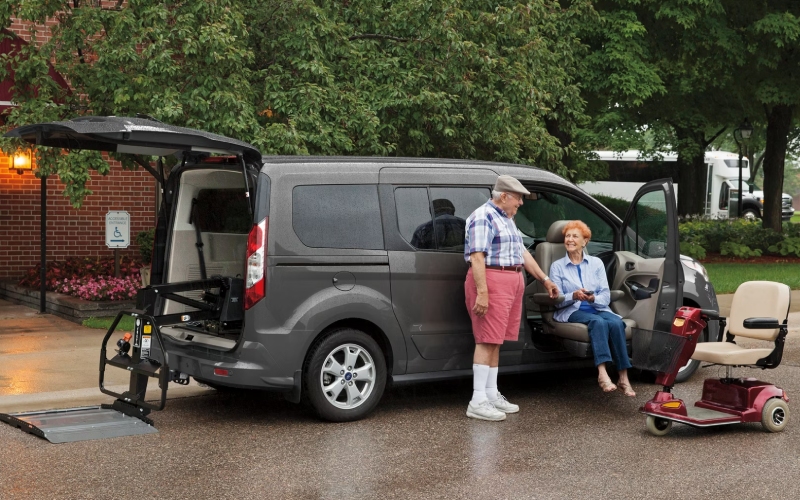
If you run routes, shuttle teams, or make service calls in and around Clifton, NJ, garage clearance is more than a spec sheet detail — it can define how efficiently your day goes. The 2026 Ford Transit® gives you three roof heights and two lengths, but will it actually fit into the parking decks you use near Main Ave., Route 3, or neighboring towns like Passaic and Nutley? Our team at Quality Auto Mall put together a practical, real-world guide so you can match the right 2026 Transit to the garages and ramps you navigate every week.
Know the Numbers: 2026 Ford Transit Roof Heights and Lengths
Before you can compare the Transit to a specific garage, start with the van’s dimensions. The 2026 Transit Passenger Van offers three roof heights and two body lengths. Here are the key figures to keep top of mind:
- Low Roof Height: 82.4 inches (about 6 ft 10.4 in)
- Medium Roof Height: 99.2 inches (about 8 ft 3.2 in)
- High Roof Height: 108.6 inches (about 9 ft 0.6 in)
- Long Length: 235.5 inches overall (about 19.6 ft)
- Extended Length: 263.9 inches overall (about 22.0 ft)
Those roof figures are factory heights — add-ons like roof racks, light bars, or rooftop HVAC can increase total height. Length also matters in garages with shorter spaces or tight ramps. Many passenger-vehicle stalls in North Jersey garages are sized around 18 ft; a Long Transit is longer than that, and the Extended body is roughly 22 ft, which may exceed some posted limits. Always verify posted size restrictions before you enter.
What We See Locally Around Clifton
In our area, many enclosed garages post clearances in the 6 ft 8 in to 7 ft 0 in range, though some facilities offer more headroom. If you rely on structured parking in Clifton, Passaic, or Hackensack, this typically means a Low Roof Transit is the only practical option among the three heights — and even then, you’ll want to confirm that the clearance is at or above 7 ft and that your specific van has no upfits or gear mounted on top.
Medium Roof (8 ft 3.2 in) and High Roof (9 ft 0.6 in) models are built for stand-up interior space and productivity, but they realistically won’t clear most enclosed garages around town. Those configurations shine in curbside loading zones, surface lots, and dedicated depots — not underground or multi-level decks with low beams and pipes.
How to Evaluate a Specific Garage — A Simple Field Checklist
Every garage is different, and the sign at the entrance is only part of the story. Use this quick process to avoid surprises, especially at locations you visit frequently near Clifton’s commercial corridors or medical offices.
- Entrance Signage: Confirm posted maximum height and any length restrictions or vehicle type limits.
- Lowest Point Inside: Look for sprinkler pipes, ductwork, or sloped beams that hang lower than the entry sign.
- Ramp Angles: Steep transitions can challenge longer wheelbases; enter slowly and on an angle when safe.
- Space Length: Verify stall length — a 19.6 ft Long Transit may extend beyond shorter passenger-vehicle spaces.
- Turning Aisles: Check aisle width and turning pockets — longer vans need more room to swing into a space.
- Roof Add-Ons: Measure from ground to the highest point of your van, including any racks or equipment.
If you’re uncertain, our team can help you test-fit a comparable Transit at one of your routine locations or review measurements with you at our Rutherford lot before you commit to a configuration.
Low Roof Transit: The Practical Pick for Deck Access
If structured garage access is a must for your operation — think medical shuttles, campus drop-offs, or service calls at professional buildings — the Low Roof Transit is the smart starting point. At 82.4 inches, many 7 ft entries are achievable when the van is stock and unloaded, but 6 ft 8 in entries are likely too tight. Remember that tires, load levels, and even temperature can affect real-world height margins by fractions of an inch, so build in a safety buffer.
For teams that rarely or never use decks, Medium Roof and High Roof models deliver the interior stand-up space crews love. Those heights are excellent for mobile workshops, photographers, catering teams, and passenger shuttle operators who stage in surface lots around Clifton, along Route 3’s service roads, or at venues that provide open-air parking.
Length choice ties back to where you park and how you load. The Long body (about 19.6 ft) can be workable in some surface lots with longer stalls and in curbside zones where you have room to stage. The Extended body’s roughly 22 ft length is great for maximizing seats or cargo, but confirm your typical stops offer sufficient curb length and turning room.
On the topic of loading, the Transit’s available 253-degree rear door opening on XLT helps you work in tighter alleys or loading areas by swinging the doors close to the body. This is especially helpful behind buildings off Van Houten Ave. or along mixed-use streets where space is at a premium.
Ford Co-Pilot360® technology also eases close-quarters maneuvering. Standard front and rear parking sensors provide audible cues as you inch through ramps or back into a spot, and Pre-Collision Assist® with Automatic Emergency Braking adds confidence when someone steps into your path in a busy deck or lot. Inside, SYNC® 4 with a 12-inch center display makes it easy to call up camera views and guidance prompts, while the updated 8-inch cluster puts essentials — including the standard Tire Pressure Monitoring System (TPMS) — right in your line of sight.
If your routes include winter or steep side streets off Broad St., the Transit’s available Intelligent All-Wheel Drive can be a worthwhile addition. It does not change the van’s height, but it can improve traction as you navigate slick ramps or wet concrete surfaces — another subtle advantage when garages are part of your daily routine.
Passenger capacity is another factor for shuttle operators who are eyeing deck access at medical centers or office complexes. The 2026 Transit can seat up to 15 passengers when properly configured. If you must use a garage with a 7 ft clearance and a Low Roof, consider how the aisle space, seatbacks, and headroom feel for the riders you carry. We can map seating layouts with you so you balance comfort with clearance needs.
Not sure whether your core stops around Clifton will work with a Low, Medium, or High Roof? Bring your top three destinations to our showroom. We’ll help you translate posted garage signs into the right Transit setup, and we can walk you through accessories that preserve clearance — for example, choosing interior storage solutions instead of roof-mounted racks when vertical space is tight.
Key Takeaways for Clifton, NJ Drivers
Here’s how it breaks down for most local use cases:
- If you need garage access: Start with Low Roof (82.4 in) and confirm that your garages post 7 ft or higher — and avoid roof add-ons.
- If you prioritize stand-up space: Medium or High Roof is the productivity play, best paired with surface lots or curbside loading.
- If you park in short stalls: Verify stall length for Long (about 19.6 ft) and Extended (about 22.0 ft) bodies to prevent overhang.
- If you upfit your van: Re-measure overall height after any roof equipment is installed to maintain clearance margins.
Our goal is to make sure your 2026 Ford Transit works everywhere your business works — from Clifton’s commercial centers to neighboring campuses and office parks. When you’re ready, stop by Quality Auto Mall in Rutherford and we’ll help you choose the roof height, length, and seating that keep your routes running smoothly.
Frequently Asked Questions:
Will a Low Roof 2026 Ford Transit clear a 7 ft garage near Clifton?
In most cases, yes. A stock Low Roof Transit measures 82.4 inches (about 6 ft 10.4 in). That typically clears a posted 7 ft entry with a small margin. Always confirm the lowest point inside the garage and avoid roof-mounted accessories that add height.
What happens if I add a roof rack or rooftop A/C?
Any roof-mounted equipment increases your overall height beyond the factory spec. Measure from the ground to the highest point of the upfit and compare that number to the garage’s lowest clearance, not just the entrance sign.
Is the Medium Roof or High Roof Transit realistic for enclosed garages?
Generally not. Medium Roof is about 8 ft 3.2 in and High Roof is about 9 ft 0.6 in — both exceed typical North Jersey garage clearances. Those heights are best for surface lots and curbside loading zones around Clifton and nearby towns.
Does van length matter inside a parking deck?
Yes. The Long body is roughly 19.6 ft and the Extended is about 22.0 ft. Many garages stripe stalls closer to 18 ft for passenger vehicles, so a Transit may overhang or not fit within the lines. Check posted length limits and stall sizes during off-peak hours before committing.
Which Transit features help in tight ramps or aisles?
Standard Ford Co-Pilot360® front and rear parking sensors are invaluable for low-speed maneuvering in decks and crowded lots. The available 253-degree rear door opening on XLT also reduces door swing in tight loading areas, and SYNC® 4 with a 12-inch center display makes guidance clearer as you back in or align to a curb.
Have a specific garage in mind? Bring the clearance details to Quality Auto Mall, and we will help you validate fitment against the 2026 Ford Transit’s specs and your upfit plan. Our team can even set up a demonstration so you can see, turn, and load like you would on your daily route around Clifton, NJ.
Request more 2026 Ford Transit information
Quality Auto Mall – Your Trusted Ford Dealer near Newark, NJ — Selection, Financing, and Trade-In Support
At Quality Auto Mall, we make it simple to find the right Ford for your life in and around Newark. Our team focuses on easy shopping, clear communication, and thoughtful support well beyond the day you drive home. Whether you are commuting on I-280, navigating city blocks near Ironbound, or loading up for a weekend at South Mountain Reservation, we are here to match you with the vehicle, financing, and trade-in options that fit.
Located just a short drive from downtown Newark via Route 21, the Garden State Parkway, and the New Jersey Turnpike, our dealership is positioned for quick visits and confident test drives. You can explore a wide range of vehicles—then head back toward the Prudential Center or Newark Liberty International Airport with a clear next step. Our goal is to provide a smooth, respectful process from the moment you say hello to the moment you pick up the keys.
Why Shop With Us — Local Know-How and Seamless Experience
Our advisors listen first, then personalize recommendations based on how and where you drive. If you need a city-friendly SUV with smart parking tech, an efficient commuter for daily trips along I-78, or a work-ready truck built for hauling around industrial corridors, we will help you compare options in a straightforward, pressure-free way. You will leave informed, confident, and ready for the next step—no guesswork required.
Prefer to start from home? You can request information, begin financing pre-approval, and value your trade online—then visit us for a focused test drive and final review. From your first question to your final signature, we streamline each step so you spend less time at the desk and more time behind the wheel.
Inventory Built for Newark-Area Driving
From flexible crossovers to powerful pickups and advanced electric vehicles, our selection supports everything from city commutes to weekend projects. Advanced driver-assistance features such as Ford Co-Pilot360®, intuitive connectivity with SYNC® 4, and available highway confidence with BlueCruise™ are designed to elevate everyday convenience. Engines with EcoBoost® technology deliver strong performance and efficiency, while options like Pro Trailer Hitch Assist™ and Pro Power Onboard™ help you handle jobs with more control.
- SUVs and crossovers: Explore adaptable choices ideal for city streets, family errands, and longer drives with room for passengers and gear.
- Trucks: Choose from configurations ready for towing, hauling, and jobsite versatility—great for contractors, DIY projects, and weekend equipment.
- Commercial vans: Consider options with cargo flexibility and upfit potential for deliveries, service routes, and mobile teams across the metro area.
- Electric and electrified: Discover electric and hybrid models that combine responsive power with low tailpipe emissions and modern tech.
- Certified Pre-Owned: Shop vehicles that have been carefully inspected and backed by manufacturer-based standards for added confidence.
If you are searching for a specific trim or feature set, we can help you reserve an incoming model or explore a factory order so you get the configuration that feels just right. When you choose Quality Auto Mall, you gain a partner invested in the details—so the Ford you select truly suits your daily routine.
Financing Built Around You
Our finance center focuses on clarity and choice. We work with a network of trusted lenders— including local New Jersey institutions—so we can present competitive options aligned to your budget goals. Whether you are a first-time buyer or expanding a growing garage, we will walk you through terms, explain the details in plain language, and help you move forward with confidence.
- Online pre-approval: Start from home to understand your likely terms before you visit, then finalize everything in-store.
- Tailored guidance: Get one-on-one support that connects the right plan to your driving needs and ownership timeline.
- Trade-in integration: Apply the value of your current vehicle toward your next one to simplify the numbers and paperwork.
- Protection options: Ask about available coverage that helps safeguard your investment for the miles ahead.
- Transparent steps: Review clear terms, ask questions freely, and proceed at your pace—no surprises.
Planning to trade a vehicle? We make it part of a single, coordinated visit. Our team will evaluate your current car, explain how its equity can support your next purchase, and help you consider the full picture—monthly payments, ownership goals, and long-term value.
Trade-In Made Straightforward
Your time matters. That is why we designed a trade-in process that is direct, informative, and quick to complete. You can begin with an online estimate, then visit us for a professional in-person appraisal. We will review the vehicle together, answer any questions, and ensure the numbers are easy to understand.
- Get your estimate: Share a few details online to receive an initial trade-in range before you visit.
- Complete your appraisal: Bring your vehicle for an on-site review so we can confirm condition and finalize value.
- Apply your equity: Use your trade-in toward your next Ford and streamline the paperwork in one place.
Service and Support After the Sale
Owning a vehicle in the Newark area can mean tight parking, frequent stop-and-go, and changing pavement from downtown avenues to regional highways. Our Ford-trained technicians help you stay ready with routine maintenance, multi-point inspections, and repairs using genuine Ford parts. From alignment checks after rough road stretches to brake service and battery testing, we keep your vehicle feeling solid and predictable.
For modern Ford tech, our service team is also prepared to support connected features, driver-assistance systems, and EV service needs. Whether you drive a hybrid or an all-electric model, we will help you understand recommended intervals, software updates, and best practices for daily charging and range confidence.
Frequently Asked Questions:
How close are you to Newark, and what is the easiest way to get there?
We are a quick drive from central Newark via Route 21 north to Route 17, or by taking I-280 or the New Jersey Turnpike with a short connection to Route 17. Many shoppers find it convenient to schedule a weekday visit to avoid peak traffic, but we are happy to work with your timing.
What should I bring if I plan to buy or trade a vehicle?
Bring a valid driver’s license, proof of insurance, and a preferred payment method. For trade-ins, please bring the title or payoff information, all keys, and pertinent service records. If you have questions about documents, contact us ahead of time and we will prepare a simple checklist for your situation.
Can I start my purchase online before visiting the dealership?
Yes. You can request more information, begin pre-approval, and get a trade estimate from home. We will then set up a focused appointment so you can test drive, review final terms, and complete paperwork efficiently.
Do you work with first-time buyers or those rebuilding credit?
Yes. Our finance managers regularly assist first-time buyers and customers who are working to rebuild credit. We will review options clearly, suggest next steps, and help you find a path that fits your goals.
Can you support businesses that need commercial vehicles?
We can help businesses compare cargo and passenger configurations, explore upfit-friendly options, and plan a financing approach that suits seasonal or year-round operations. Ask us about solutions for delivery routes, service teams, and mobile work setups.
We are also proud to be serving Wayne, Hackensack, and Paramus with the same attentive, local-focused care—so no matter where you start your journey in North Jersey, you will find a friendly team ready to help.
When you are ready to experience a smarter way to shop, visit our showroom for a test drive, explore flexible financing, or bring your current vehicle for a straightforward appraisal. Connect with Quality Auto Mall to compare trims and features, walk through ownership options, and get clear answers to your questions—start to finish.
If you prefer to begin from home, request more information and one of our specialists will follow up promptly to personalize your next steps. From guidance on Ford Co-Pilot360® features to details on SYNC® 4 connectivity or BlueCruise™ availability, we will help you zero in on what matters most. Your next vehicle should fit your life perfectly—let Quality Auto Mall make that decision feel easy.
Ready to move forward? Request more information now. Our team will confirm availability, outline your best options, and schedule a visit that works for you. We look forward to welcoming you and showing how Quality Auto Mall makes every mile—from Newark city streets to weekend getaways—feel effortless.
Request more information
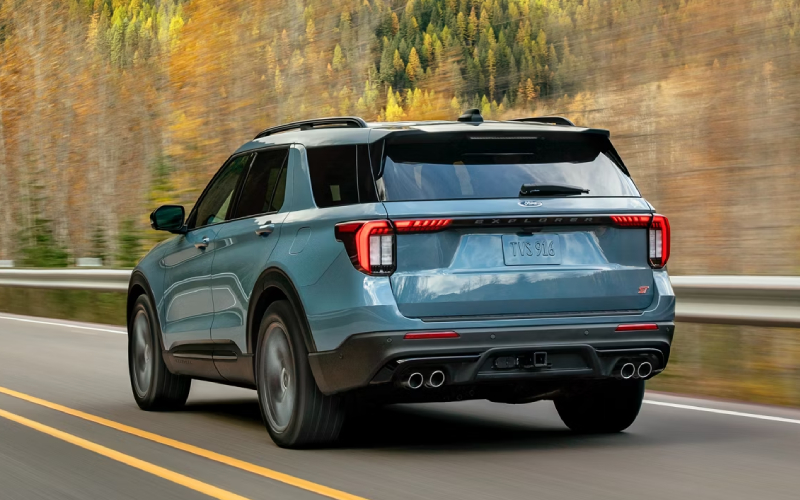
Quality Auto Mall – Do I Need Intelligent 4WD on the 2026 Ford Explorer for Nutley, NJ Driving?
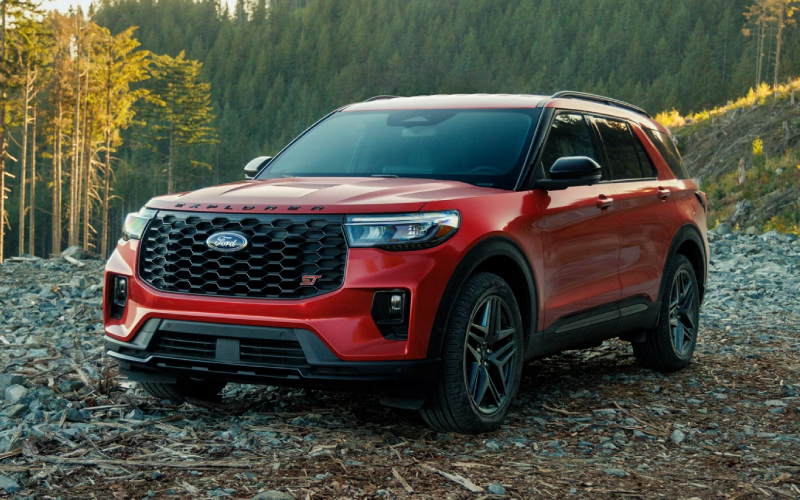
Choosing the right drivetrain is one of those decisions that pays you back every day, especially if your life takes you from school drop-off on Franklin Ave to Route 3, Garden State Parkway on-ramps, and weekend getaways out of town. The 2026 Ford Explorer® gives you a clear choice — standard rear-wheel drive or available Intelligent 4WD — and at Quality Auto Mall, we help Nutley, NJ shoppers match that choice to real roads, real weather, and real ownership needs.
What Intelligent 4WD Does on the 2026 Explorer
Intelligent 4WD in the 2026 Explorer automatically monitors wheel slip and road conditions, then sends power where it’s needed to help you move confidently. It works seamlessly with the Explorer’s selectable drive modes, so the vehicle’s throttle mapping, transmission behavior, and traction controls align with your situation. In practice, that means extra stability pulling away from a wet curb on Washington Ave, more control merging onto Route 21 when it’s raining hard, and better traction on gravel, grass, or dirt when you’re parking near Yanticaw Park for a weekend game.
If off-pavement time is a bigger part of your family’s plan, the Explorer® Tremor® model adds off-road tuned suspension, underbody protection, and a Torsen® limited-slip rear axle for enhanced traction — a setup designed to help you use the power effectively when the pavement ends.
Why RWD Still Makes Sense for Many Nutley Drivers
Rear-wheel drive is standard on the 2026 Explorer, and for many Nutley-area owners, it’s exactly right. The balanced, predictable feel of RWD makes everyday driving smooth and confident, whether you’re navigating Centre St at school pick-up or cruising Route 3 toward the Meadowlands. With up to 5,000 lbs of towing capacity when properly equipped, the Explorer is built to pull, and RWD puts power to the pavement in a way towing veterans tend to appreciate.
You also benefit from the Explorer’s thoughtful fundamentals — a minimum running ground clearance of 7.6 inches and a chassis tuned to feel composed on imperfect city streets. If your routine is mainly paved roads, well-plowed neighborhoods, and highways, RWD can be a smart, straightforward choice.
When Intelligent 4WD Is Worth It Around Nutley
That said, Intelligent 4WD can be a difference-maker when conditions change or your plans expand. If your driveway is on a slope, your street sometimes sees packed snow before the plows arrive, or your kids’ sports fields leave you parking on wet grass or dirt, Intelligent 4WD helps you get moving without drama. It is also reassuring when you head out of town — think leaf-covered two-lanes in North Jersey, dirt trailhead lots in the Highlands, or a sandy boat ramp where extra traction prevents wheelspin.
Towing is another practical angle. The Explorer’s Class III Trailer Tow Package is designed to make hauling simpler, and Intelligent 4WD adds traction when you’re launching a small boat on a slick ramp or pulling a pop-up camper out of a soft campsite. More grip at the right moment reduces stress and helps you focus on steering and space.
How It Fits Into the 2026 Explorer Lineup
The 2026 Explorer family offers configurations tailored to how you drive. Explorer Active 100A brings core strengths like a 2.3L EcoBoost® engine, Ford Co-Pilot360® Assist+ with Adaptive Cruise Control, selectable drive modes, and a Class III Trailer Tow Package. ST-Line adds a 360-Degree Camera and a B&O® Sound System by Bang & Olufsen® with 10 speakers including a subwoofer. Tremor® layers in off-road tuned hardware with available 3.0L EcoBoost® power. Platinum™ elevates comfort with heated, ventilated, massaging front-row seats and is BlueCruise hands-free highway driving equipped (1-year + 90-day plan included). ST turns up performance with a 3.0L EcoBoost® engine, sport-tuned suspension, and performance brakes, and is also BlueCruise equipped. Across the lineup, Intelligent 4WD is available so you can choose the capability you want.
Our team can walk you through how each trim’s equipment pairs with RWD or Intelligent 4WD and help you experience the difference on a route that mirrors your real commute — from local stop-and-go to highway merges and a few tight turns that simulate neighborhood driving.
A Quick Decision Guide
If you’re still weighing the options, use this simple checklist to line up your daily life with what each drivetrain does best.
- Your commute: Mostly paved streets and highways with good maintenance — RWD is a confident match.
- Your driveway: Sloped, shaded, or sometimes slick — Intelligent 4WD adds helpful low-speed traction.
- Weekend plans: Trailheads, shore trips with sandy or gravel lots, or unpaved parking — Intelligent 4WD is reassuring.
- Towing needs: Launching a small boat or pulling a camper from soft ground — Intelligent 4WD helps you get moving.
- Confidence in all conditions: Prefer added traction as roads change — Intelligent 4WD with selectable drive modes fits well.
There’s no wrong answer — it’s about aligning capability with your routine. We find that many Nutley-area families who mostly stick to paved routes prefer the composed feel of RWD, while shoppers who want added assurance in variable conditions or who tow on mixed surfaces lean toward Intelligent 4WD.
How We Help You Choose — and Feel It From the Driver’s Seat
At Quality Auto Mall, we encourage back-to-back test drives of similarly equipped Explorers — one RWD and one with Intelligent 4WD. We’ll map a loop that includes surface streets near our showroom on Route 17 in Rutherford and quick highway segments to mirror a Nutley-to-Rutherford or Nutley-to-Newark commute. You can also explore technology like Ford Co-Pilot360® Assist+ features and, on equipped trims, BlueCruise — a hands-free highway driving assistance feature that helps you accelerate, brake, and steer your vehicle on compatible roads while you keep your eyes on the road.
When you’re done, you’ll know how each setup feels as you pull away from a light, merge, navigate a tight turn, and park. From there, we can help you zero in on the trim that matches your wish list — whether that’s the rugged confidence of Tremor®, the tech-forward comfort of Platinum™, or the athletic edge of ST.
Frequently Asked Questions:
Is Intelligent 4WD always on, or do I have to switch it?
Intelligent 4WD operates automatically, monitoring traction and distributing power front-to-rear as needed. You choose a selectable drive mode to match conditions, and the system optimizes traction and stability within that mode without extra input from you.
Does Intelligent 4WD change towing capacity on the 2026 Explorer?
The 2026 Explorer offers up to 5,000 lbs of towing capacity when properly equipped. Drive type does not change the published maximum rating. Always confirm your configuration’s rating and follow the owner’s manual and trailer setup guidelines.
Do I need Intelligent 4WD for BlueCruise?
No. BlueCruise availability depends on trim and equipment, as well as a connected service plan. Intelligent 4WD is independent of BlueCruise — you can have hands-free highway driving assistance on equipped trims and compatible highways, whether your Explorer is RWD or Intelligent 4WD.
If I stick with RWD, would winter tires still help?
Yes. Tires are your first line of traction and stopping performance. Quality all-season tires work well for many local owners; dedicated winter tires provide an extra margin in cold, snowy conditions. Intelligent 4WD helps you go, while tires play a major role in how you turn and stop.
Is ground clearance different between RWD and Intelligent 4WD?
The Explorer’s minimum running ground clearance is 7.6 inches on standard models. Explorer® Tremor® features increased ride height thanks to its off-road-tuned suspension. Between RWD and Intelligent 4WD on most trims, ground clearance is similar.
Every family’s needs are a little different, and that’s why we put so much emphasis on letting you feel the difference and understand the tech. Whether you’re navigating Nutley’s neighborhood streets, commuting on Route 3, or planning a long-weekend escape, there’s a 2026 Explorer® configuration ready for it.
Ready to compare RWD and Intelligent 4WD in person? Visit us at Quality Auto Mall on Route 17 in Rutherford — just a short drive from Nutley — and we’ll set up a tailored test drive in the 2026 Ford Explorer®. Our product specialists can walk you through trims, Ford Co-Pilot360® technologies, available Intelligent 4WD, and the features that matter most to your family’s daily routine.
Request more 2026 Ford Explorer information
Which truck tows with more confidence around Clifton, NJ—2026 Ford Super Duty F-350 or 2026 Ram 3500?
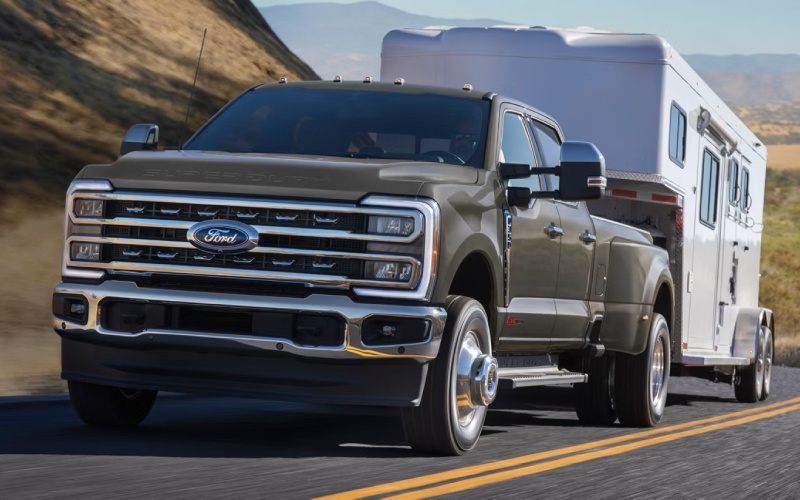
Quality Auto Mall – Which truck tows with more confidence around Clifton, NJ—2026 Ford Super Duty F-350 or 2026 Ram 3500?
When shoppers compare heavy-duty pickups, one question rises to the top: which truck tows more with confidence? If your routes swing from residential side streets to industrial yards around Clifton, NJ, the answer needs to address more than a single number on a spec sheet. It should factor in how the truck manages weight, how the powertrain maintains momentum, and how the built-in tech helps you do the same job, more consistently, with fewer surprises. Below, we unpack the towing story for the 2026 Ford Super Duty® F-350® and the 2026 Ram 3500 with a focus on real-world performance, not just paper capability.
Max ratings and what they actually mean
Ford’s heavy-hitter is anchored by the available High Output 6.7L Power Stroke® V8 Turbo Diesel, which delivers best-in-class available 500 horsepower and 1,200 lb-ft of torque. Those figures support a maximum available gooseneck tow rating of up to 40,000 pounds and a maximum available payload rating of up to 8,000 pounds, thanks in part to a fully boxed, high-strength steel frame and the TorqShift® 10-speed automatic. Ram counters with its available High Output 6.7L Cummins® Turbo Diesel I6, rated up to 430 horsepower and 1,075 lb-ft of torque, and a maximum available diesel towing capacity of up to 36,610 pounds. Both numbers are impressive. The gap becomes meaningful when you are cresting a grade with a multi-axle trailer or when a last-minute add-on pushes your load closer to the limit.
Control systems that make you better, not busier
Towing confidence is about how quickly you can get stable, predictable behavior from your truck-trailer combo. Ford bakes in towing intelligence that makes repeatability easy: available Pro Trailer Hitch Assist™ automates the final approach to your hitch; available Pro Trailer Backup Assist™ uses intuitive knob inputs to steer the trailer where you want it; and available Onboard Scales with Smart Hitch helps distribute and verify tongue weight without guesswork. Pair those with a 360-Degree Camera and an available Head-Up Display, and you can make precise adjustments while keeping eyes forward. Ram brings strong support with Trailer Reverse Steering Control, multiple camera views including an available 360° Trailer Surround View, and available in-cluster Trailer Tow Pages. These tools are helpful. The difference is how deeply Ford integrates load, hitch, and camera data, shaping a quicker, smoother setup routine day after day.
Powertrain behavior you can count on
On busy arteries and rolling grades around Passaic County, keeping momentum matters as much as starting from a stop. The Ford TorqShift® 10-speed is tuned for heavy loads, spreading ratios to keep the diesel in its sweet spot without hunting. Five selectable drive modes help you tailor behavior to the task or terrain, especially useful when your route mixes local traffic with steeper highway connectors. Ram’s heavy-duty TorqueFlite® HD eight-speed is smooth and durable, and the available Automatic Smart Exhaust Brake contributes to confidence on descents. For pure pulling power and authority at low rpm, though, Ford’s torque advantage shows up when you need to accelerate onto short merge lanes or hold speed with a tall trailer on windy days.
Payload and prep—getting the details right
Every trailer day begins with loading and ends with unloading. Ford gives you an available Power Tailgate with Retractable Tailgate Step for stable footing, available power-deployable running boards for secure access, and available 2kW Pro Power Onboard™ in-bed outlets to run lights and tools without extra generators. Onboard Scales with Smart Hitch then verifies load and balance, so your first mile isn’t an experiment. Ram offers helpful touches too—like LED bed lighting, available bed steps, and an available Fifth-Wheel/Gooseneck Prep Package—plus the convenience of the available RamBox® Cargo Management System on certain configurations. Both setups work; Ford’s approach simply streamlines the sequence from hookup to roll-out.
What about gas engines?
If your duty cycle leans toward mixed-use towing with occasional heavy weekends, gas engines can be compelling. Ford’s 7.3L gas V8 brings 430 horsepower with a broad torque curve, mated to the TorqShift® 10-speed for clean, decisive shifts. Ram’s 6.4L HEMI® V8 chimes in at 405 horsepower and 429 lb-ft, enabling substantial conventional towing and a strong gas payload number. If you are towing at or near max regularly, the diesel advantages—especially Ford’s top-end output—still tip the scales.
Daily reality: maneuvering and visibility
A good towing day is one where visibility is never in doubt. The Super Duty® can be equipped with a 360-Degree Camera, available BLIS® with Trailer Coverage, and available PowerScope® trailer tow mirrors for wide, clear sight lines. SYNC® 4 on an available 12-inch screen gives you straightforward access to multi-camera views without burying you in submenus. Ram competes with an available 360° Surround View Camera system and available power telescoping mirrors, plus robust in-cluster camera integration. In tight residential streets and mixed commercial zones, fewer taps and more direct physical controls translate into less downtime and fewer “back up and try again” moments.
Frequently Asked Questions:
Does the 2026 Ford Super Duty F-350 actually tow more than the 2026 Ram 3500?
Yes. Properly configured, the Super Duty® F-350® offers a maximum available gooseneck tow rating up to 40,000 pounds, while the Ram 3500’s maximum available diesel towing is up to 36,610 pounds.
Which truck makes backing up a trailer easier?
Both help, but Ford’s available Pro Trailer Backup Assist™ lets you steer the trailer intuitively with a simple knob, and available Pro Trailer Hitch Assist™ automates the final approach to your hitch. Ram’s Trailer Reverse Steering Control is effective, but Ford’s integration with hitch automation and onboard scales is a notable advantage.
How do these trucks handle steep grades and stop-and-go traffic?
Ford’s torque advantage and the TorqShift® 10-speed’s ratio spread help maintain speed on grades and reduce gear hunting. In stop-and-go, both trucks perform well, but Ford’s driver-assist options and camera views can reduce stress in tight spaces.
Bottom line for Clifton-area towing
If your question is “Which truck tows more with confidence around Clifton?” the answer is the Super Duty® F-350®. Its higher maximum available tow and payload ratings are only part of the story. The way Ford integrates trailer tech, load management, and visibility tools creates a smoother, more controlled towing routine for crews and owners who tow frequently. That difference shows up over months and years, not just one big job.
When you are ready to spec the right truck for your routes, workloads, and trailer types, work with a team that lives heavy-duty day in and day out—serving Clifton, Nutley, and Kearny. One visit with our experts at Quality Auto Mall and you will have a clear blueprint for the configuration, towing tech, and accessories that fit your plan, so your next job starts with confidence.
Request more 2026 Ford Super Duty F-350 information
2026 Ford Explorer vs 2026 Honda Pilot – Which SUV Has the Stronger Everyday Performance for Kearny, NJ Drivers?
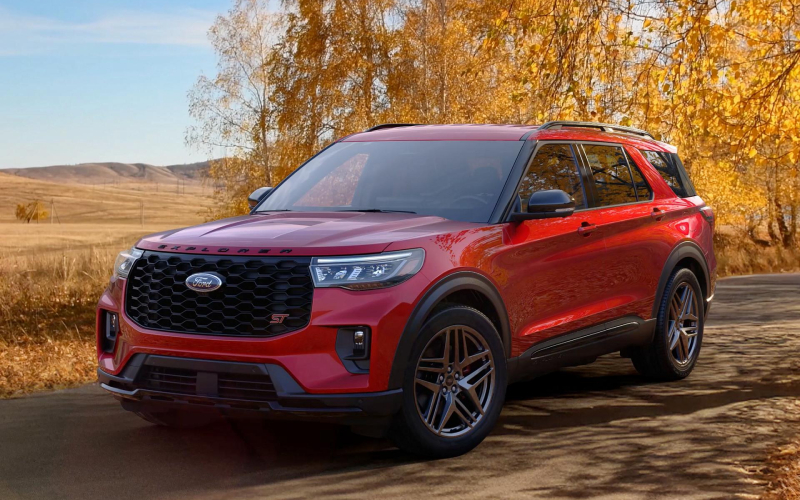
Quality Auto Mall – 2026 Ford Explorer vs 2026 Honda Pilot – Which SUV Has the Stronger Everyday Performance for Kearny, NJ Drivers?
What shoppers mean by “everyday performance”
Ask five Kearny drivers what “everyday performance” means and you’ll get five good answers: brisk highway merges, confident passing on Route 1&9, smooth stop-and-go near 15W, and the ease of settling into a predictable rhythm when traffic ebbs and flows. In that context, the 2026 Ford Explorer and 2026 Honda Pilot are both well-built, family-ready SUVs. But their hardware and tuning take different routes to the same destination—and those differences matter on real roads.
We’ll unpack the power, driveline behavior, towing confidence, and driver-assistance tech that shape how relaxed or energized you feel after a long day behind the wheel. And because the local loop includes the Pulaski Skyway, the Turnpike, and riverside arterials, this guide keeps the lens squarely on the roads you actually drive.
Power that helps, not just headlines
The Explorer embraces turbocharged flexibility. Its 2.3L EcoBoost® I-4 and 10-speed automatic wake up cleanly when you need a gap and fade into the background when you don’t. If your drive calls for more muscle—frequent on-ramp sprints, confident two-lane passes, or uphill merges with a full cabin—the available 3.0L EcoBoost® V6 provides a strong, sustained surge up to 400 horsepower in the ST. That extra headroom shows up as shorter merge windows and fewer white-knuckle moments.
Pilot’s 285-hp V-6 is smooth and steady through a 10-speed automatic. It’s easy to live with and responds well in the midrange. Around Kearny, NJ, it’s a reassuring partner, especially if you prefer a naturally aspirated powerband. When you really need the punch, though, Explorer’s available twin-turbo torque comes on earlier and lasts longer, which is exactly what “everyday performance” feels like in your right foot.
Drivetrain dynamics you can feel
The Explorer’s standard rear-wheel-drive architecture builds confidence from the ground up. Weight shifts feel natural, steering inputs are crisp, and traction arrives without fuss when you dig into the throttle to join the flow on I-280 or the Turnpike. Available Intelligent 4WD layers in selectable drive modes for changing conditions, while the Tremor’s Torsen® limited-slip rear axle adds real, mechanical grip when a weekend plan includes gravel or rutted access roads.
Pilot’s available i-VTM4® all-wheel drive is clever and capable, using clutch packs to shuffle torque between the rear wheels. It shines on slick surfaces and adds precision to cornering. Both systems inspire trust; the Explorer simply feels more planted and rear-biased, which translates to calmer reactions and fewer corrections when traffic compresses unexpectedly.
Towing and real-world confidence
Both SUVs can be equipped to tow up to 5,000 pounds, a sweet spot for small campers, a lightweight boat, or a pair of jet skis bound for a weekend at the water. The Explorer’s steady RWD-based stance helps reduce the back-and-forth you can feel through the wheel with a loaded trailer, and Trailer Sway Control works quietly in the background. Pilot brings robust cooling and integrated hitch hardware on specific trims; it’s nicely sorted and easy to hook up.
In practice, towing confidence is about more than a rating—it’s about how relaxed you feel with crosswinds, lane changes, and the kind of uneven ramp angles you’ll encounter at launch points along the Passaic. Here, the Explorer again benefits from a rear-drive foundation and strong, low-end turbo torque that helps get things moving without strain.
Driver assistance that truly reduces effort
Modern driver-assist systems aim to cut the workload in traffic and long highway stints. The Explorer offers Co-Pilot360® Assist+ on many trims and adds available BlueCruise hands-free highway driving on compatible roads, assisting with steering, braking, and acceleration while you keep your eyes up and engaged. That’s a meaningful reduction in effort on the Turnpike during longer commutes or weekend getaways.
Honda Sensing® in the Pilot is comprehensive—Collision Mitigation Braking System™, Road Departure Mitigation, Adaptive Cruise Control with Low-Speed Follow, and more. On upper trims, the Multiview Camera System helps in crowded lots around shopping corridors. It’s an excellent suite. The Explorer’s available hands-free capability and surround-view camera coverage take one more step toward easing your mind and your shoulders when the day runs long.
Key everyday advantages at a glance
- Passing power: Explorer’s available twin-turbo V6 provides confident, sustained thrust for shorter merge windows and decisive passes.
- Composed handling: A standard rear-wheel-drive platform gives Explorer a natural, planted feel in quick maneuvers and lane changes.
- Reduced fatigue: Available BlueCruise assists on compatible highways, and available massaging front seats help you arrive less worn out.
Inside, both SUVs are family-ready, but Explorer layers in comforts you’ll appreciate at the end of a long day—available ventilated and massaging front seats, the Ford Digital Experience, and a 360-Degree Camera that makes parallel parking near local restaurants far less stressful. Pilot’s cabin is roomy and well organized, with clever touches like a stowable second-row center seat on select trims and available Bose audio. If your priorities skew toward calm, effortless commuting with a little extra performance in your back pocket, the Ford’s feature set points in your favor.
Frequently Asked Questions:
Does the Explorer’s available BlueCruise work on all roads?
No. BlueCruise is designed for compatible, pre-mapped highways. You must remain attentive and ready to take control at all times.
How do the SUVs compare for tight parking around town?
Explorer’s 360-Degree Camera on select trims provides excellent visibility when backing into street spots or navigating tight garages. Pilot offers a Multiview Camera System on upper trims that also simplifies low-speed maneuvers.
Which is better for towing small campers in the area?
Both are rated up to 5,000 pounds when properly equipped. Explorer’s RWD-based foundation and turbo torque help it feel especially composed when merging or changing lanes with a trailer attached.
If you’re weighing both models and want to feel these differences on your own routes, schedule time with Quality Auto Mall—serving Clifton, Nutley, and Kearny—for a back-to-back drive. A few miles on familiar roads will make the Explorer’s everyday advantages unmistakable.
Request more 2026 Ford Explorer information
Which Work Van Handles Winter Routes Around Clifton, NJ Better — 2026 Ford Transit or 2026 Ram ProMaster?
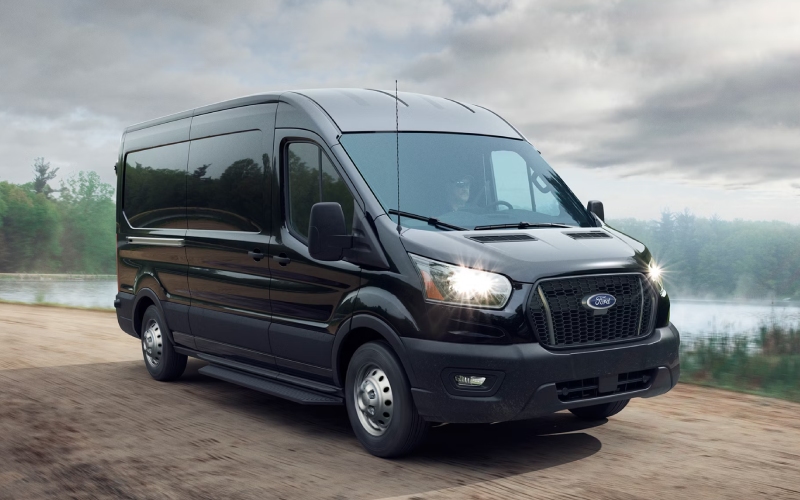
Quality Auto Mall – Which Work Van Handles Winter Routes Around Clifton, NJ Better — 2026 Ford Transit or 2026 Ram ProMaster?
What local crews really want to know
Winter traction is the question we hear most from contractors and shuttle operators comparing these two vans. The 2026 Ford Transit offers available Intelligent All-Wheel Drive, while the 2026 Ram ProMaster remains front-wheel drive only. That single difference often shapes the entire ownership story for teams who face slushy intersections, angled curb cuts, and snow-packed side streets around Clifton, NJ. Below, we break down how AWD vs. FWD plays out in day-to-day operations, then expand into chassis balance, interior tech, and configuration flexibility to help you make a confident, local-first decision.
On low-traction surfaces, AWD helps the Transit meter torque to the front axle when slip is detected, supporting stable pull-offs with a loaded cargo bay or a full passenger roster. Standard rear-wheel drive also gives the Transit a planted, predictable feel under load. The ProMaster’s FWD can be helpful in some light-traction starts, but it simply cannot match AWD’s ability to maintain momentum and stability when multiple wheels need torque. When winter residues linger on shaded streets or you are staging at a sloped dock, that composure is worth more than numbers on paper—it is time saved and confidence earned.
AWD vs. FWD: translating specs into real-world confidence
The Transit’s available Intelligent AWD is an always-on assistant that shifts power where the road surface needs it most. Because it is paired to a platform designed for work, you get a confident launch and smooth acceleration even with payload on board. ProMaster leans on front-wheel drive and electronic stability features to maintain control. Those technologies help, but they do not replace AWD’s fundamental advantage of sending torque to more than two driven wheels when conditions change quickly at the curb.
Another point to consider is powertrain breadth. Transit offers two engines—a naturally aspirated 3.5L PFDi V6 and an available 3.5L EcoBoost® V6—so you can tune your output to your route profile. The ProMaster’s single 3.6L Pentastar® V6 is proven, yet it lacks the turbocharged torque option that helps the Transit hold a strong, steady pace with a full van on rolling terrain or highway merges.
Cabin tech that supports focused driving
Keeping drivers focused when surfaces are slick is just as critical as the traction system. The Transit’s standard SYNC® 4 with a 12-inch center display and its standard 8-inch cluster make key information easy to see and act on without menu-diving. Ford Co-Pilot360® brings standard Pre-Collision Assist® with Automatic Emergency Braking, Lane-Keeping System, and front and rear parking sensors—confidence enhancers on packed winter lots. ProMaster counters with Uconnect and a strong roster of standard and available safety features, including Forward Collision Warning with Active Braking and available 360-degree camera, but its base displays are smaller unless you step up in options.
Day to day, those differences translate into fewer distractions and smoother decision-making. When snowbanks bite into the edges of a loading zone or visibility narrows, the Transit’s standard driver aids and larger, standard display work together to reduce guesswork.
Configuration flexibility for mixed-use fleets
Winter does not pause shuttle work or multi-stop delivery runs. Transit’s three roof heights and two lengths make it easy to right-size a van for tight urban stops or tall interior work. A factory 15-passenger configuration cuts out aftermarket complexity for schools, hotels, and event teams. ProMaster brings three roof heights of its own, four cargo lengths, and excellent cargo access. If your fleet is cargo-forward and upfit-heavy, that breadth appeals. If you also need passenger transport or want AWD for winter confidence, Transit holds the edge.
Small touches matter too. Transit’s available Close Assist for the sliding door prevents loud slams during early-morning departures and late-night returns, a quiet courtesy that crews and neighbors appreciate. The available 31-gallon extended-range fuel tank on Transit helps reduce stop frequency in cold weather, when staying on schedule can be the difference between an on-time delivery and a ripple of delays.
How to choose: a simple, local-first framework
- Primary conditions: If your routes regularly face snow, slush, and freeze-thaw street surfaces, Transit’s available Intelligent AWD is the most decisive factor.
- Use case: For mixed passenger-and-cargo or shuttle needs, Transit’s factory seating up to 15 eliminates aftermarket complexity and preserves warranty peace of mind.
- Driver focus: Transit’s standard 12-inch SYNC® 4 screen and 8-inch cluster reduce distraction during bad-weather driving; ProMaster’s screens are smaller unless you add options.
- Power demands: If you want turbocharged torque for heavy loads and highway merges, Transit’s available 3.5L EcoBoost® V6 is the standout.
From a local perspective, winter confidence is the tiebreaker. When curb cuts are icy or heavy, wet snow narrows the lane, the Transit’s AWD advantage and standard driver aids make your day simpler.
Frequently Asked Questions:
Does the 2026 Ram ProMaster offer all-wheel drive?
No. The 2026 Ram ProMaster is front-wheel drive only. If you want the additional traction and stability of AWD for winter routes, the 2026 Ford Transit offers available Intelligent All-Wheel Drive.
Is the 2026 Ford Transit good for passenger transport in cold weather?
Yes. Transit offers factory seating for up to 15 passengers and available Intelligent AWD for confident launches and tracking on slick surfaces—ideal for shuttles and group transport through busy corridors in and around Clifton, NJ.
What standard driver-assistance features help in winter?
The 2026 Ford Transit includes Ford Co-Pilot360® with standard Pre-Collision Assist® with Automatic Emergency Braking, Lane-Keeping System, and front and rear parking sensors. These features help with visibility, obstacle detection, and steering support when snowbanks and narrowed lanes increase risk.
Can I get a larger touchscreen without adding packages?
On the 2026 Ford Transit, SYNC® 4 with a 12-inch center display is standard. ProMaster offers a 7-inch standard display with a larger 10.1-inch screen available.
Who can help me compare configurations and upfits?
The team at Quality Auto Mall—serving Clifton, Nutley, and Kearny—can walk you through roof heights, lengths, seating, and upfit paths that match your work and winter needs.
When your winter routes demand more than basic traction control, the 2026 Ford Transit’s available Intelligent AWD, standard driver-assist tech, and smart interior layout give it the advantage over the FWD-only ProMaster. For many Clifton-area businesses, that’s the difference between adapting to winter and having winter disrupt the plan.
Reach out to our team to map your exact route profile, load patterns, and passenger needs. A short demo drive in challenging conditions often makes the answer crystal clear.
Request more 2026 Ford Transit information

Quality Auto Mall – Picking Your 2026 Ford Escape Trim for Hackensack, NJ Traffic and Weekends
The 2026 Ford Escape lineup makes choosing your ideal compact SUV straightforward—once you know how the trims differ. If your daily drives take you along Hackensack’s River Street and across Route 4 to the malls, you’ll want a blend of efficient power, helpful safety tech, and easy-to-use infotainment. That’s exactly what the Escape delivers, with trims and powertrains tuned for commuting, errands, and road trips.
What Each Trim Brings to the Table
Start with the Active if you want a well-equipped foundation at a sensible spec. You’ll get Ford Co-Pilot360® core driver-assist features, a modern touchscreen running SYNC 4, and wireless Apple CarPlay and Android Auto across the board. Move to ST-Line if you prefer a sportier look and feel, with distinctive styling and larger wheels. The ST-Line trims are also your gateway to the Hybrid powertrain if you want quieter acceleration and fewer fuel stops without changing your driving routine. From there, ST-Line Select adds enhanced comfort and tech availability, while ST-Line Elite stacks on premium conveniences and advanced driver-assist options that make highway treks across the George Washington Bridge smoother.
If top-tier refinement is calling your name, the Platinum brings premium appointments and, for 2026, the Hybrid in AWD-only form—an appealing combo for year-round traction and serenity on the move. Then there’s the Plug-In Hybrid, which offers EV-style commuting for shorter trips with the flexibility of a hybrid system for longer drives. If your workplace, gym, or apartment complex offers Level 2 charging—or you have a convenient setup at home—the PHEV can transform your weekday errands while still delivering road-trip readiness for weekends at the shore.
Powertrains and Use Cases
Think through how you drive most: If your week is largely surface streets and short hops between Hackensack, Paramus, and Teaneck, the Hybrid is a standout. It’s smooth, quiet, and easy to live with while still delivering the capability you expect from an SUV. If you want brisk highway passing or plan to tow light loads (kayaks, a small utility trailer), consider the 2.0L EcoBoost option on ST-Line Elite. It’s the punchiest setup, with acceleration that helps you slot into traffic confidently as you merge onto Route 17 or I-80.
The Plug-In Hybrid is an excellent fit if you can charge frequently and your commute falls within its all-electric capability. Run morning drop-offs, swing by the Hackensack University Medical Center, and head to errands along Main Street—often without the engine even starting. Then, when it’s time for a longer day trip, the Escape PHEV simply operates as a hybrid. No range anxiety, just a very flexible driving experience.
Interior Tech and Everyday Ease
Across trims, the Escape’s cabin aims for clarity and comfort. A large touchscreen with SYNC 4, voice controls, and wireless smartphone integration is intuitive from the moment you pair your phone. The available 12.3-inch Digital Instrument Cluster is easy on the eyes and provides turn-by-turn guidance that helps keep your focus forward. Families will appreciate the sliding second row and low cargo floor—packing for sports practice or a Costco run is straightforward, and the Escape’s size makes parking less stressful around busy lots off Route 4.
- Display and connectivity: SYNC 4 with voice commands and wireless phone integration
- Driver view: Available 12.3-inch Digital Instrument Cluster for sharp, configurable displays
- Premium audio: Available B&O Sound System for concert-like clarity on the drive
- Charging: Multiple USB ports and an available wireless charging pad keep devices topped up
If you’re upgrading from an older SUV, these conveniences feel like a big step forward. The interface stays responsive, smartphone mirroring is consistent, and everyday controls remain easy to reach. This is tech built to help—not overwhelm.
Safety and Composure on Busy Roads
Ford Co-Pilot360® comes standard with features such as Pre-Collision Assist with Automatic Emergency Braking, Blind Spot Information System with Cross-Traffic Alert, Lane-Keeping System, a Rear View Camera, and Auto High-Beam Headlamps. Available upgrades like Adaptive Cruise Control with Stop-and-Go and Lane Centering are worth a close look if you spend time on Route 80 or the Palisades Parkway. These aids reduce the effort of long stretches and help you maintain a steady, comfortable flow with traffic.
For parking in tight spots along Main or State Street, consider available Active Park Assist 2.0. It can help guide the Escape into parallel or perpendicular spaces—handy when the lot is crowded and you’re juggling errands. Reverse Brake Assist adds confidence when backing out of busy lanes.
Choosing Your Trim in Hackensack
Here’s a straightforward way to narrow it down:
- Decide on powertrain: gas 1.5L EcoBoost for simplicity, Hybrid for easy efficiency, Plug-In Hybrid for EV-style daily driving, or 2.0L EcoBoost for power and towing.
- Pick your style and features: ST-Line for sporty flair, Platinum for premium ambiance, or select the Elite level for advanced tech.
- Confirm the driver-assist features you want: Adaptive Cruise Control with Lane Centering, Active Park Assist 2.0, and more.
- Test drive back-to-back: feel the difference in ride, response, and cabin tech before committing.
This approach makes it easy to pinpoint which 2026 Escape is the best match for your Hackensack routine. You’ll quickly see how each trim layers on equipment and how the driving character changes among engines.
Frequently Asked Questions:
Which 2026 Ford Escape trim is best for commuting around Hackensack?
Many commuters choose an ST-Line with the Hybrid powertrain for its smooth, quiet operation and excellent everyday efficiency. If you want premium finishes and AWD standard with Hybrid, look at the Platinum.
Is the Plug-In Hybrid worth it if I can’t charge at home?
Possibly. If your workplace or local garages offer Level 2 chargers, you can capture much of the PHEV’s benefit during the week. Even without frequent charging, it still operates as a conventional hybrid for longer trips.
Which Escape setup is best for towing light loads?
The available 2.0L EcoBoost offers the strongest acceleration and up to 3,500 pounds of towing when properly equipped. If towing is on your radar, test drive this configuration.
Do all trims get wireless Apple CarPlay and Android Auto?
Yes. Wireless smartphone integration is available across the lineup, so pairing your phone is quick and cable-free.
What driver-assist features should I prioritize?
Adaptive Cruise Control with Stop-and-Go and Lane Centering is excellent for highway driving. For city parking, consider Active Park Assist 2.0 and Reverse Brake Assist.
At Quality Auto Mall, we guide you through trims and powertrains side by side so the decision feels clear, never rushed. We are serving Wayne, Hackensack, and Paramus with a transparent, test-drive-focused approach—because nothing replaces seat time in the exact configuration you are considering. The 2026 Ford Escape’s strength is choice: gas, Hybrid, or Plug-In Hybrid, each available across trims that scale safety, tech, and comfort logically. With the right match, it’s an SUV that blends into your routine so seamlessly you’ll wonder how you managed without it.
Request more 2026 Ford Escape information
Smarter Heavy-Duty Towing with the 2026 Ford Super Duty F-350 for Hackensack, NJ Projects
Quality Auto Mall – Smarter Heavy-Duty Towing with the 2026 Ford Super Duty F-350 for Hackensack, NJ Projects
The 2026 Ford Super Duty F-350 turns towing from a white-knuckle chore into a methodical, repeatable process. Around Hackensack, NJ, where quick hops between job sites can include Route 4 congestion and tight strip-mall service lanes, the F-350’s integrated towing tech helps you line up, load correctly, and maneuver with more control. This deep dive explains how the F-350’s available systems work together, what to expect on local roads, and how to configure your truck to match your trailers and loads.
Why Towing Tech Matters on Hackensack Roads
Hackensack drivers tackle a mix of dense retail corridors, parkway merges, and quick turns into alleyways or lots. When you add a long equipment trailer or a heavy gooseneck into the equation, precision matters. The F-350’s available Pro Trailer Backup Assist, Pro Trailer Hitch Assist, and Onboard Scales with Smart Hitch introduce clarity at every step—replacing guesswork with data and camera guidance. For drivers who regularly navigate the approaches to the George Washington Bridge or skirt along I-80, the result is less stress and more consistency day after day.
How Pro Trailer Hitch Assist Helps You Connect
Hitching used to be a two-person job. With available Pro Trailer Hitch Assist, the F-350 uses camera views and steering input to help align your hitch ball with a conventional trailer coupler. On a crowded Hackensack lot near Main Street, the system’s guidance can save time and repeated in-and-out checks. It’s straightforward: choose your trailer profile, follow the prompts, and let the system help fine-tune your alignment—especially useful when your schedule’s tight and your next delivery is across Route 17.
- Setup Simplicity: Create a trailer profile and store it for quick recall between jobs.
- Camera Clarity: On-screen guidance helps you center the coupler and avoid overcorrection.
- Solo Confidence: Reduce back-and-forth and get lined up without a spotter.
Mastering Pro Trailer Backup Assist for Tight Spots
Once you’re hitched, getting the trailer into place can be the bigger challenge. Available Pro Trailer Backup Assist helps translate your intent into precise trailer movement. Turn the control knob in the direction you want the trailer to go, and the system assists with steering input to make the maneuver smoother. In Hackensack’s tighter delivery lanes, that can be the difference between a clean first attempt and multiple corrections that eat up your afternoon.
- Directional Control: Turn the knob toward your target path for intuitive guidance.
- Repeatable Results: Store trailer dimensions for consistent performance each time.
- Reduced Stress: Focus on surroundings while the system helps coordinate inputs.
Using Onboard Scales with Smart Hitch for Balanced Loads
Weight distribution plays a critical role in trailer stability. Available Onboard Scales with Smart Hitch provides an estimated weight readout via the center display or smartphone app to help you dial in tongue weight and payload balance. Before a trip up to projects along Essex Street or out toward Paramus, use the tool to prevent overload or poor distribution that could trigger sway. Optimized tongue weight translates into more stable tracking and a calmer drive through crosswinds or on grooved pavement.
- Quick Checks: View estimated payload and tongue weight from the cabin or app.
- Safer Handling: Balance your load to reduce sway tendencies.
- Time Savings: Tune your setup once and stick to repeatable targets.
SRW vs. DRW: Matching Your Axle to Your Work
The 2026 F-350 offers both single-rear-wheel (SRW) and dual-rear-wheel (DRW) configurations. SRW models are easier to maneuver in tight neighborhoods and parking lots, perfect for a mix of Hackensack errands and work. DRW models add rear-end stability and payload potential for big gooseneck jobs and heavier equipment. If you regularly tow at or near the top of the F-350’s capabilities, DRW often provides that extra composure you’ll appreciate on I-80 or when merging from short ramps.
- SRW Strengths: Better maneuverability; easier parking in dense areas.
- DRW Advantages: Enhanced stability for heavy gooseneck or 5th-wheel loads.
- Usage-Based Choice: Pick the setup that matches typical trailer weights and routes.
Camera Coverage and Mirrors That Make a Difference
Available 360-Degree Camera views complement the towing systems, giving you a better look at surroundings when threading between parallel-parked vans or slipping behind a loading dock. Add available PowerScope trailer tow mirrors to expand your sightlines down the trailer’s flanks. On busy Hackensack side streets, being able to quickly check corners and curbs can prevent fender rubs or damaged wheel covers—and save the schedule for the day’s next appointment.
Real-World Tips for Hackensack, NJ Operators
Plan routes by trailer size and schedule your largest deliveries when traffic is lighter—particularly near Route 4 and local retail corridors. Use the available trailer profiles to make hitching and backing more uniform between drivers on your team. If you frequently tackle mixed-surface jobs, consider adding an off-road package such as FX4 or Tremor for extra control on gravel, grass, or graded dirt, then let the selectable drive modes help tailor throttle and shift behavior to the moment.
- Pre-Trip Routine: Verify trailer lights, brakes, tire pressures, and tongue weight.
- Profile Consistency: Create profiles for each trailer to speed setup.
- Camera First: Use views before opening doors or committing to tight turns.
Frequently Asked Questions:
How do Pro Trailer Backup Assist and Pro Trailer Hitch Assist differ?
Pro Trailer Hitch Assist helps align your truck and trailer coupler for quick connections, while Pro Trailer Backup Assist assists with steering inputs while backing, letting you turn a control knob in the direction you want the trailer to go.
Do I need DRW for my work in Hackensack?
If you tow at or near maximum ratings or run heavy gooseneck loads, DRW often adds valuable stability. If your routes include tighter city driving and moderate trailers, SRW may be the more practical choice.
What does Onboard Scales with Smart Hitch actually measure?
It provides estimated payload and tongue weight guidance to help you load within target ranges, supporting better handling and safer towing.
Can I power tools from the F-350 bed?
Yes, the available 2kW Pro Power Onboard system provides in-bed outlets that can energize many common tools and accessories, ideal for quick jobs or remote sites.
At Quality Auto Mall, we demonstrate these systems hands-on so you know exactly how they work before your first tow. Our team is experienced with local routes and can help you configure your trailer profiles, select the right mirrors, and choose SRW or DRW based on your actual loads. We’re also serving Wayne, Hackensack, and Paramus with guidance tailored to the way you drive and work.
Once you’ve built the habit—checking your tongue weight with Onboard Scales, using Pro Trailer Hitch Assist to connect quickly, and relying on Pro Trailer Backup Assist for precise placement—you’ll realize how much time and worry these tools save. Fewer do-overs, cleaner approaches to docks, and better balance on the highway add up to a smoother day and a more professional presentation for your business.
If heavy-duty towing is central to your work around Hackensack, the 2026 Ford Super Duty F-350 provides the control, visibility, and power you want. Combine the right axle configuration with the available towing tech suite, and you’ll have a stable, intelligent rig that moves confidently through the neighborhoods, corridors, and highways that define this part of New Jersey. That’s the smart way to tow—methodical, consistent, and ready for whatever the day asks.
Request more 2026 Ford Super Duty F-350 information
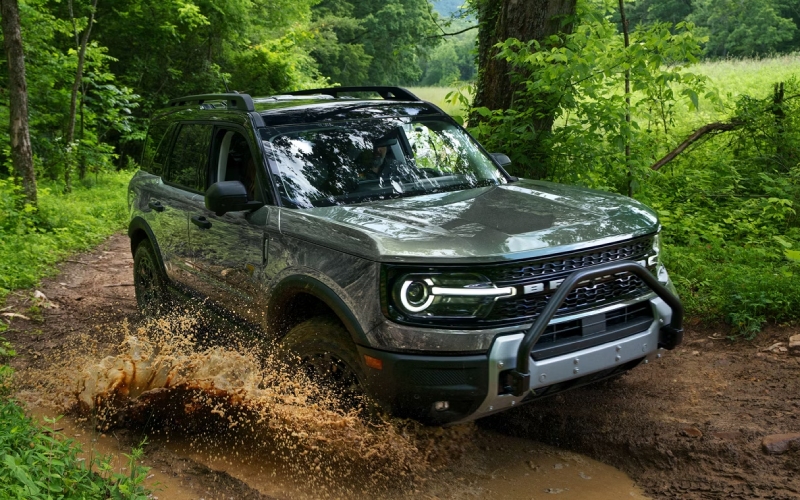
Quality Auto Mall – Do I Need Premium Gas for the 2026 Ford Bronco Sport near Jersey City, NJ?
Choosing the right fuel for your SUV is a real-world decision you make every week, so it should be simple. If you are considering a 2026 Ford Bronco Sport® for life around Jersey City, NJ, here is what matters: the standard 1.5L EcoBoost® engine is designed for regular 87 octane, while the available 2.0L EcoBoost in Bronco Sport Badlands® delivers its strongest performance with premium fuel. Both engines can run smoothly on regular, but how you drive and what you carry can make premium a smart choice in certain situations. Below, our team at Quality Auto Mall explains exactly when premium helps and when regular is perfectly right for your commute, errands, and weekend plans.
Why does octane matter at all? EcoBoost engines are turbocharged, so the engine compresses air and fuel more than a naturally aspirated engine would. Higher octane resists knock under that higher pressure. Thanks to advanced knock sensors and engine management, the Bronco Sport adjusts timing to protect the engine and keep things smooth, even if you do not use premium all the time. That means you can confidently choose the fuel that fits your drive on any given day.
What fuel each 2026 Bronco Sport engine prefers
Here is the straightforward breakdown for the two EcoBoost engines you will find across the Bronco Sport lineup. Always confirm final guidance in your Owner’s Manual for your specific trim.
- 1.5L EcoBoost®: Regular 87 AKI is recommended. This setup is tuned to balance efficiency and everyday response on city streets and highways. On Bronco Sport Big Bend®, the EPA-estimated rating is 25 city and 30 highway MPG.
- 2.0L EcoBoost® (Badlands®): Premium fuel is recommended for maximum power and the most responsive acceleration. Regular 87 is acceptable for daily driving — the engine management will adapt, with a small tradeoff in peak performance.
If your driving is mostly local — think Journal Square to Newport, weekend runs up JFK Boulevard, and a quick hop onto the New Jersey Turnpike — regular unleaded works great in both engines. Where premium starts to show its advantage on the 2.0L is when you ask for full power, like a short Holland Tunnel on-ramp merge, climbing a steep approach to the Palisades, or towing near the Bronco Sport’s available 2,200-lb rating.
How your fuel choice plays out around Jersey City, NJ
City traffic patterns here are unique — abrupt merges, short ramps, and tight gaps are common. In a Bronco Sport Badlands with the 2.0L EcoBoost, premium helps the turbo deliver its strongest punch when you need to get up to speed briskly from a toll plaza or slot into fast-moving I-78 traffic. If your typical day is lighter throttle and low-to-mid RPM cruising, regular unleaded is usually indistinguishable in feel. For the 1.5L EcoBoost, premium does not provide a meaningful benefit — it is optimized for 87 octane, full stop.
Planning to hitch a pair of kayaks or a small pop-up to spend a day by Liberty State Park or head out toward Ramapo? When you add weight or drive long grades, the 2.0L’s higher cylinder pressures increase. Premium fuel’s knock resistance can help the engine maintain timing and brisk response in those situations. It is not mandatory, but it is often the smarter choice when you know the day will be demanding.
Smart fueling habits for dependable performance
Beyond choosing octane, a few simple habits help your Bronco Sport feel its best on every route through Hudson County and beyond.
- Follow the manual: Use 87 octane in the 1.5L EcoBoost and premium recommended for peak output in the 2.0L EcoBoost. Your Owner’s Manual is the final word for your exact vehicle.
- Pick quality stations: Top Tier fuel detergents help keep injectors and intake valves cleaner over time, important for turbo engines that depend on precise fuel delivery.
- Use FordPass®: The FordPass app can help you locate nearby stations and check your vehicle’s status, so you spend less time searching and more time driving.
- Match fuel to the day: Driving light with no gear — regular is fine. Towing, fully loaded, or lots of hard merges in a 2.0L — consider premium.
- Keep maintenance current: Fresh engine air filters, spark plugs at the proper interval, and the recommended oil grade help your EcoBoost engine run exactly as engineered.
Staying connected in the Bronco Sport also makes these choices easier. With the available 13.2-inch center display and wireless Apple CarPlay® and Android Auto™ compatibility, plus the Ford Connectivity package included for one year, you can pull up station locations, compare routes, and stay on top of detours without missing a beat.
Why Bronco Sport already fits city life
Fuel aside, every 2026 Bronco Sport comes ready for the mix of city streets and beyond. Standard 4×4 and G.O.A.T. Modes® help you dial in traction for wet pavement, light gravel lots near the waterfront, or a muddy trailhead after rain. If you choose Badlands, you gain an advanced 4×4 system with a twin-clutch rear drive unit and 7 G.O.A.T. Modes for even more grip when you trade skyline views for a dirt two-track. And with an available towing capacity of up to 2,200 lbs, hauling weekend gear is straightforward — just match your octane to your load if you have the 2.0L EcoBoost and want the stoutest response.
Our team at Quality Auto Mall is minutes from Jersey City, and we are happy to walk you through how fuel choice feels from the driver’s seat. Take a Bronco Sport Big Bend®, Outer Banks®, and Badlands® on back-to-back loops, get a feel for throttle response, and let us set up FordPass so you can find your go-to stations on day one.
Frequently Asked Questions:
Can I run 87 octane in a 2026 Bronco Sport Badlands with the 2.0L EcoBoost?
Yes, you can use 87 octane for daily driving. Premium is recommended for maximum performance and the most responsive acceleration. The engine’s control system will adapt to regular fuel with a minor reduction in peak power.
Will premium fuel improve MPG on the 1.5L EcoBoost?
No — the 1.5L engine is optimized for regular 87 octane. Premium does not typically increase efficiency or performance in this application, so we recommend following the Owner’s Manual and using regular.
Is it OK to switch between regular and premium?
Yes. The Bronco Sport’s engine management can adapt as you alternate fuels. Many drivers use regular most weeks and opt for premium in a 2.0L Bronco Sport when towing, carrying a full load, or planning aggressive highway merges.
Does using regular fuel damage the engine if premium is recommended?
No — using regular will not harm the engine. You may notice slightly less peak power in a 2.0L EcoBoost, but the system is designed to protect the engine and run smoothly on regular fuel.
What are the EPA-estimated MPG figures for the 2026 Bronco Sport?
For the 2026 Bronco Sport Big Bend®, the EPA-estimated rating is 25 city and 30 highway MPG. Actual mileage will vary based on conditions and how you drive.
If you want help matching the right 2026 Bronco Sport to your drive in and around Jersey City — and clear guidance on fuel for your engine — our team at Quality Auto Mall is ready. Stop by for a personalized walkthrough of trims, engine choices, and capability features, and we will get you on a route that mirrors your real commute so you can feel the difference for yourself.
Request more 2026 Ford Bronco Sport information
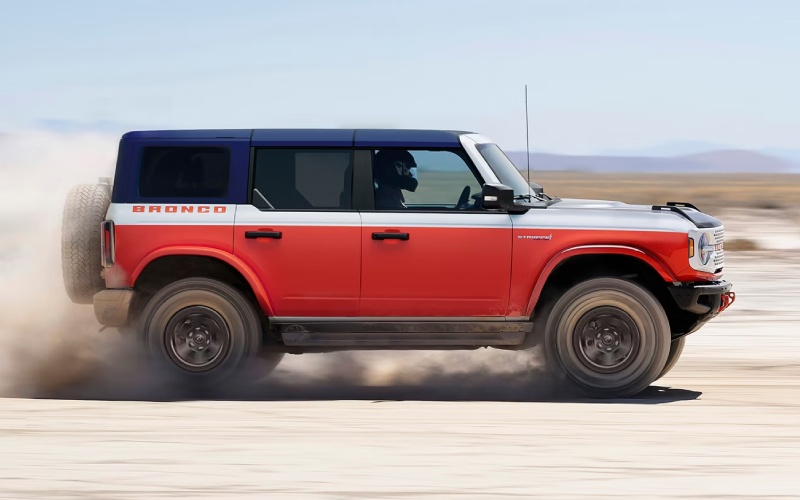
Quality Auto Mall – Is the 2026 Ford Bronco’s 4,500-lb tow rating enough around Newark, NJ?
The 2026 Bronco® is built to explore, but many Newark, NJ shoppers ask a practical question before they head for Route 21 or the Garden State Parkway with a trailer in tow: will Bronco handle the real-world loads we actually pull here? From small boats on the Passaic and Hackensack Rivers to compact utility trailers for weekend projects, towing confidence is a day-to-day ownership consideration. At Quality Auto Mall in nearby Rutherford, our team helps drivers match the right Bronco build to their towing needs so the drive stays smooth from Ironbound to the Highlands.
What the 2026 Bronco tow number really means
Ford rates the 2026 Bronco for a max available 4,500 lbs of towing when properly equipped. That’s the ceiling, not a one-size-fits-all figure. Actual tow ratings vary by configuration, engine, axle, and equipment. Some models carry lower ratings. The key is pairing your intended trailer with the proper Bronco build and verifying the specific rating on the driver’s door jamb label and in the owner’s manual for your VIN. Our advisors can walk you through that in minutes.
Under the hood, Bronco offers robust EcoBoost® power and the control you want on hills and boat ramps. Available G.O.A.T. Modes® help optimize throttle, gearing, and traction for different surfaces, while available HOSS (High-Performance Off-Road Stability Suspension) Systems enhance composure when pavements get broken or wet. Together, these systems support calm, predictable towing across Newark’s patchwork of city streets, bridges, and highway connectors.
Common Newark-area trailers and how Bronco measures up
To make that number meaningful, here’s how the Bronco’s available towing capability aligns with popular trailers we see our customers pull around Essex, Hudson, and Bergen counties. Always confirm the Gross Trailer Weight (GTW) and tongue weight, and remember that cargo in your Bronco counts toward payload limits.
- Aluminum fishing boat + trailer: Often 1,100-2,000 lbs loaded, typically well within Bronco’s range when properly equipped.
- Pair of stand-up or sit-down personal watercraft: Approximately 1,500-2,500 lbs loaded depending on models and trailer.
- Small pop-up camper: Roughly 1,800-3,000 lbs loaded, commonly a comfortable match for many Bronco builds.
- Compact utility trailer for lumber or landscaping: Around 1,500-3,000 lbs depending on materials and trailer size.
- Two motorcycles on a lightweight trailer: About 1,000-1,800 lbs depending on bikes and gear.
- Single-axle enclosed cargo trailer: Empty weights vary; loaded can range 2,000-3,500+ lbs — verify loaded weight and frontal area.
If your plans include a heavier fiberglass boat, a larger enclosed trailer, or gear that regularly pushes the upper end of the range, the available max 4,500 lbs rating is a helpful cushion — but it must be validated against your precise setup. Our team can help you weigh options, from selecting the right trim to dialing in accessories that support safe towing.
Build choices that make towing easier in and around Newark
Because city driving and tight approaches are part of life here, choosing the right Bronco configuration can make your trailering feel natural from day one.
- Body style: A 4-door Bronco’s longer wheelbase can add stability when towing compared to a 2-door, which some shoppers prefer for maneuverability without a trailer.
- Transmission: The 10-speed automatic is an excellent fit for towing thanks to smooth, well-spaced ratios that help maintain momentum on grades.
- Towing equipment: Add the factory Trailer Tow Package for a 2-inch receiver and integrated wiring — a clean, tested solution for lighting and brake connectivity.
- Tires and suspension: Aggressive off-road tires and certain suspension packages can change payload and dynamics. We can help you balance weekend trail grip with weekday trailer duty.
- Payload planning: Tongue weight (often 10-15% of trailer weight) counts against payload, along with passengers and cargo. We’ll map out a plan that respects your Bronco’s limits.
Choosing wisely up front keeps towing predictable when you’re merging near the Prudential Center, backing into a driveway in the Ironbound, or crossing the Pulaski Skyway with a light crosswind.
Hitching, braking, and visibility — the little details that matter
We recommend using the factory Trailer Tow Package for the strongest, most integrated setup. If your trailer is equipped with electric brakes, a compatible trailer brake controller is essential for confident stops and to comply with regulations when required. Our parts and service team can source and install Ford Accessories tailored to your Bronco, including a controller, hitch hardware, and towing mirrors.
For hitching and low-speed maneuvering, the available 360-Degree Camera can be a big help in tight Jersey City and Newark lots. Standard wireless Apple CarPlay® and Android Auto™ compatibility make it easy to run maps to local marinas or campsites and keep an eye on traffic around I-280 and the Turnpike interchanges.
When traction is variable — on a damp ramp at Laurel Hill Park or a gravel drive up in the Watchung Reservation — G.O.A.T. Modes® let you tailor Bronco’s behavior. Trail Control and Trail Turn Assist can also support low-speed maneuvering off pavement. Use these thoughtfully with a trailer attached, and always operate within your rated limits.
Urban towing realities around Newark
Towing here often means quick trips rather than cross-country hauls, which brings its own checklist. Allow extra space for lane changes on elevated expressways, practice backing techniques before busy weekend launches, and plan routes that avoid tight turns on older neighborhood streets where possible. If you use toll roads, be prepared for trailer classification at plazas — and leave plenty of following distance in stop-and-go traffic to keep trailer sway in check.
Parking is another real-world consideration. When feasible, stage your trailer in a lot with pull-through spaces before heading deeper into downtown. If you’ll frequently park attached to a trailer, ask us to demonstrate Bronco’s turning circle and camera views so you can visualize your typical stops.
Pre-trip checklist our service team recommends
A few minutes of prep can make every tow from Newark to North Arlington or out toward Harriman State Park feel simple and safe. Here’s a quick routine you can adopt:
- Verify your specific Bronco’s tow rating on the door label and compare to your trailer’s loaded weight.
- Confirm tongue weight and adjust load to target about 10-15% of total trailer weight.
- Check tire pressures on Bronco and trailer, including the spare.
- Inspect and test lights, safety chains, and breakaway switch if equipped.
- Set or calibrate your brake controller if your trailer has electric brakes.
- Secure cargo inside both Bronco and trailer to prevent shifting.
- Plan a route that avoids low-clearance streets or sharp, blind turns when possible.
If you’re new to towing, we’re happy to demonstrate hitching, controller setup, and a few practice maneuvers before you leave our lot.
Ready to see how the 2026 Bronco fits your towing life in and around Newark? Visit us at Quality Auto Mall in Rutherford. We’ll help you choose the right model and equipment, review your trailer details, and set you up for a confident first trip — whether that’s a Saturday morning launch on the river or a quick supply run with a utility trailer.
Frequently Asked Questions:
Which 2026 Bronco models can tow up to 4,500 lbs?
Bronco offers a max available 4,500-lb rating when properly equipped. Some configurations are rated lower. We’ll check your exact build, engine, axle, and equipment and show you the rating on the door label for your VIN before you commit.
Do I need a trailer brake controller with Bronco?
If your trailer has electric brakes, a compatible brake controller is strongly recommended and may be required depending on the trailer and regulations. We can equip your Bronco with an approved controller and verify proper operation during your delivery.
How does tongue weight affect my Bronco’s capacity?
Tongue weight — typically 10-15% of the trailer’s total weight — counts against your Bronco’s payload alongside passengers and cargo. Staying within payload and tongue weight guidelines is essential for stability and braking. We can help you measure and balance your load.
Can I add a hitch later if my Bronco didn’t come with the factory Trailer Tow Package?
Yes. We can install a Ford Accessory hitch and wiring on eligible models. Your maximum rating will still be limited by your Bronco’s original specification, so we’ll confirm your exact limits and ensure the setup meets your needs.
Will G.O.A.T. Modes® help when I’m launching a boat?
They can. Selecting a mode tuned for low-traction surfaces can optimize throttle and traction on wet ramps. Always back slowly, keep wheels straight when possible, and confirm your trailer brakes and lights are working before you arrive at the launch.
At Quality Auto Mall, our goal is straightforward — match Newark, NJ drivers with a 2026 Bronco that tows what you need, without guesswork. Bring us your trailer details and we’ll do the math with you, then set up a test drive so you can feel the difference the right build makes.
Request more 2026 Ford Bronco information
Connect with us


